Google Home Update Adds Local Matter Control and Better Gemini Voice Handling
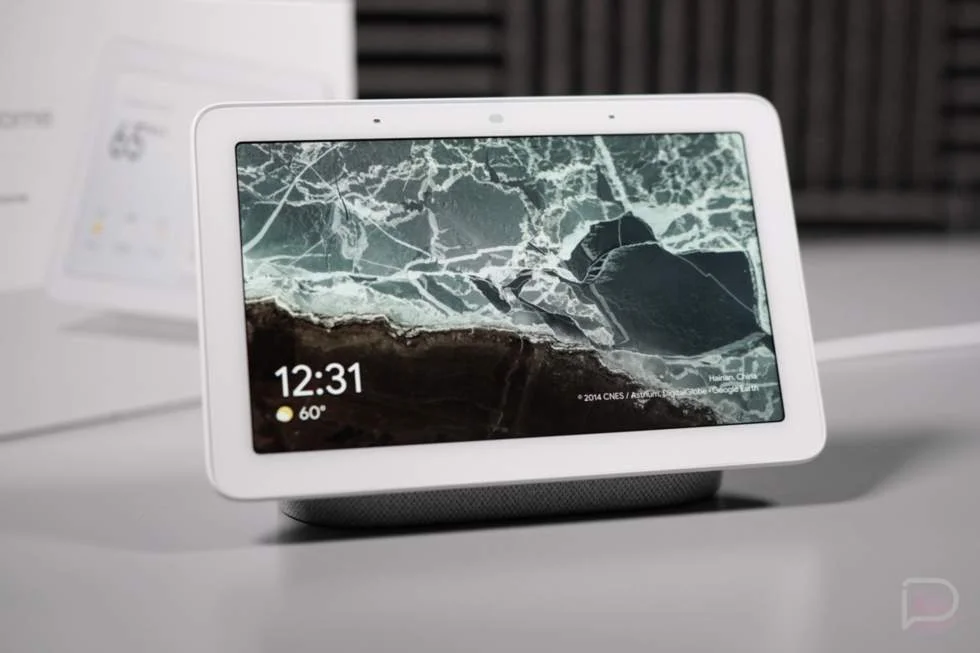
Google Home’s update improves Gemini responses, camera playback and device controls, while moving existing Philips Hue bridges to local Matter control.

Latest stories
Google Home’s update improves Gemini responses, camera playback and device controls, while moving existing Philips Hue bridges to local Matter control.

Google’s Universal Cart brings product discovery, checkout and price tracking into Search, with an initial group of major retailers set to join soon.
Circle to Search can assess suspicious Google Messages texts, explain warning signs and suggest next steps. Availability depends on Android phone support.
A Talos newsletter pairs practical ways to slow attackers with a reminder that sustainable security work depends on giving people time to care for family.
Talos tracks malware that targets AI analysis, while a legacy check-printing example shows why isolation can matter when upgrades aren't viable.
CVEs rose 105% year over year, while KEV entries grew 37%. The widening gap points to patch backlogs as a bigger operational concern than a wave of zero-days.
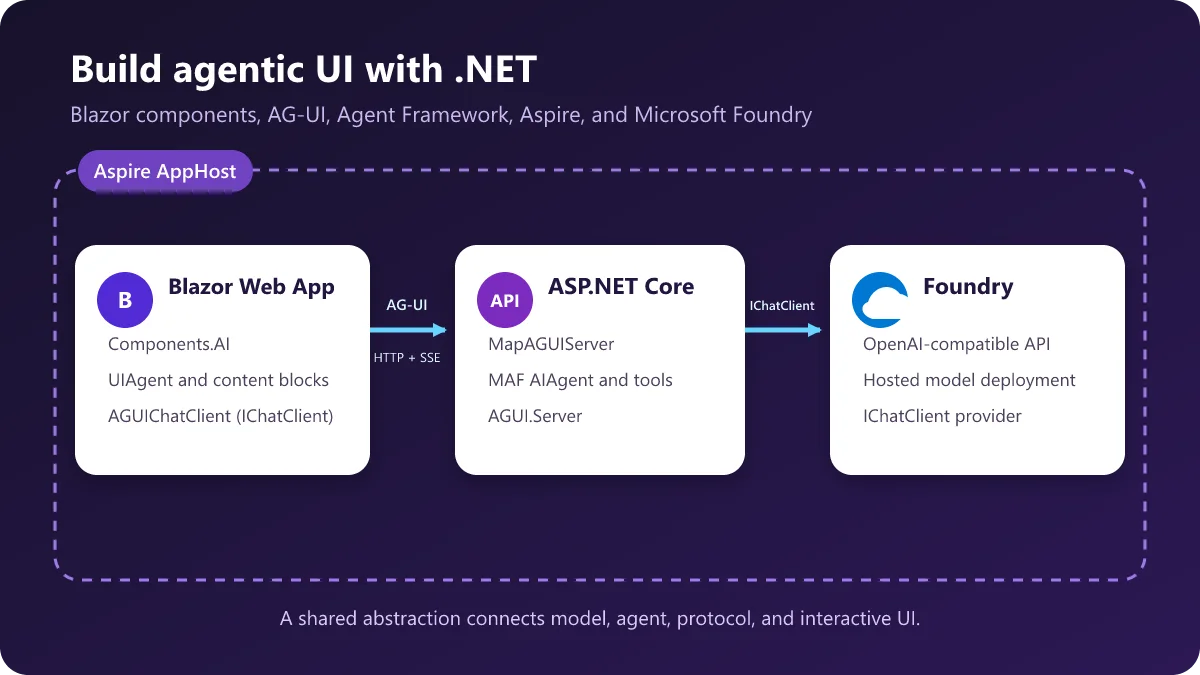
Experimental Blazor components turn agent streams into typed UI blocks, shared state and reviewable actions, with .NET 11 RC1 and AG-UI.
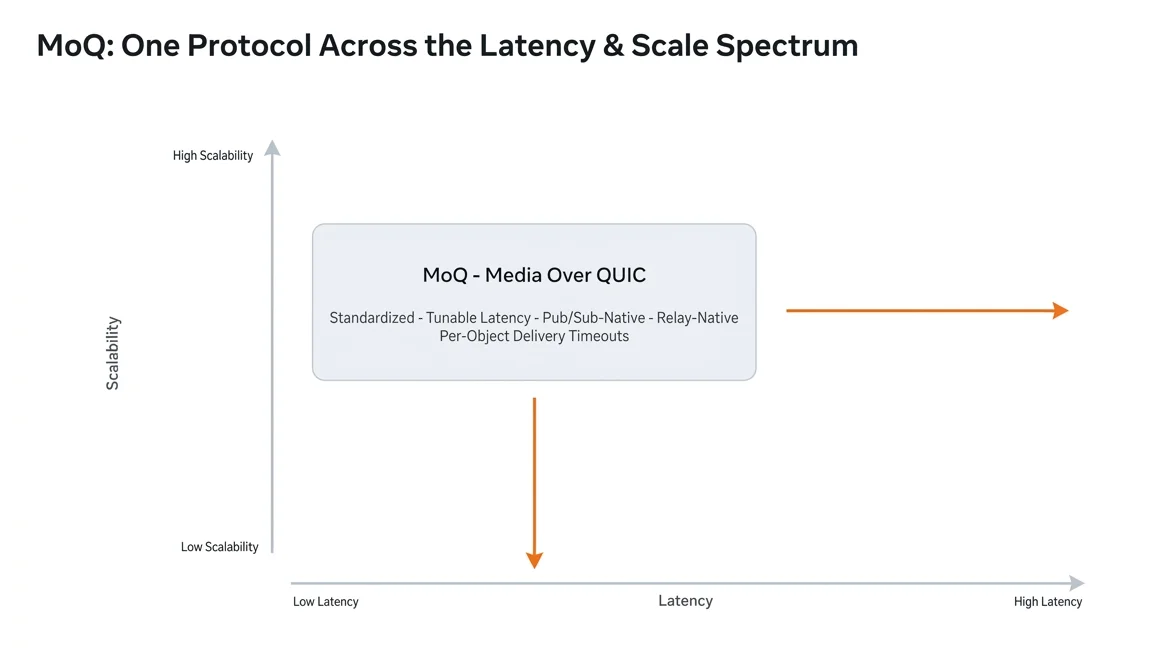
Instagram Live now uses MoQ on iOS and Android, matching its previous transport on streaming quality and reliability while setting up broader changes.
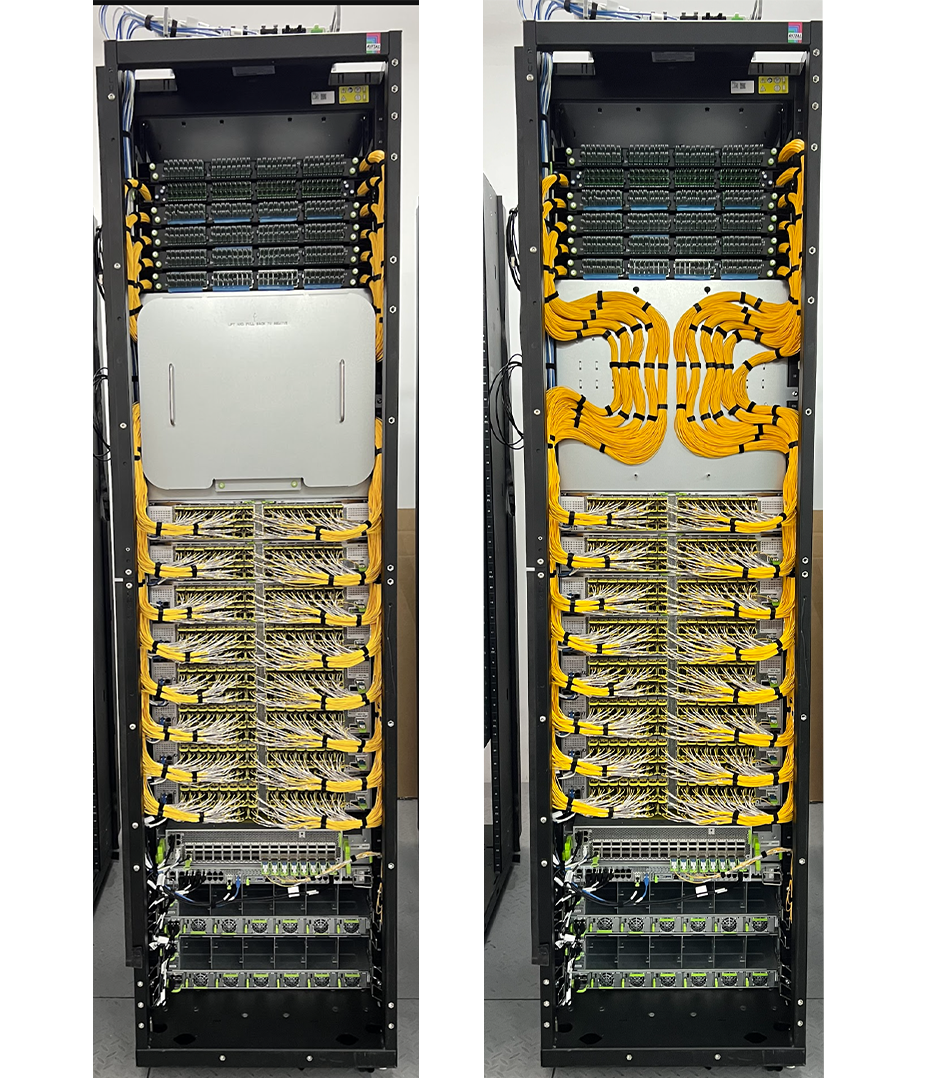
Meta’s new network designs span liquid-cooled 102.4T switches, multiplane GPU fabrics and Ethernet scale-up, with open software and interfaces.
Prometheus combines hundreds of thousands of GPUs with custom networking, cooling and fault recovery; Meta says it is building toward roughly one million.
AI chip stacks and photonics add transient heat, mechanical stress and aging risks, pushing thermal modeling earlier in design.
CPO test is scaling toward high-volume production, but optical alignment, thermal demands and unsettled connector designs complicate the path.
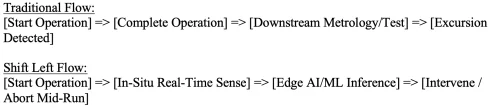
Real-time sensor analysis can catch yield risks sooner, but fabs must preserve the context that connects process steps and keeps models useful.
As chip stacks grow, designers must co-optimize heat, power and timing. New materials, multiphysics tools and AI could help, with accuracy still a key constrain...
AI agents can turn a customer spec into verified RTL, while physical design, validation and final engineering judgment remain open work.
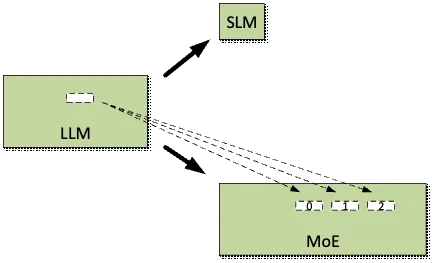
AI agents add CPU-heavy orchestration to GPU workloads, while reasoning, MoE and reservoir models bring distinct tradeoffs in compute and memory.
Arduino will show UNO Q and VENTUNO Q projects, a social robot demo and AI training opportunities at Maker Faire Rome, October 23–25.