Sample No. 0206
Smartphone Prices Rise in 2026 as New iPhones and Foldables Arrive
Memory chip shortages are pushing phone prices up. Here’s what to know about Apple’s new models, upcoming tests and ways to lower upgrade costs.
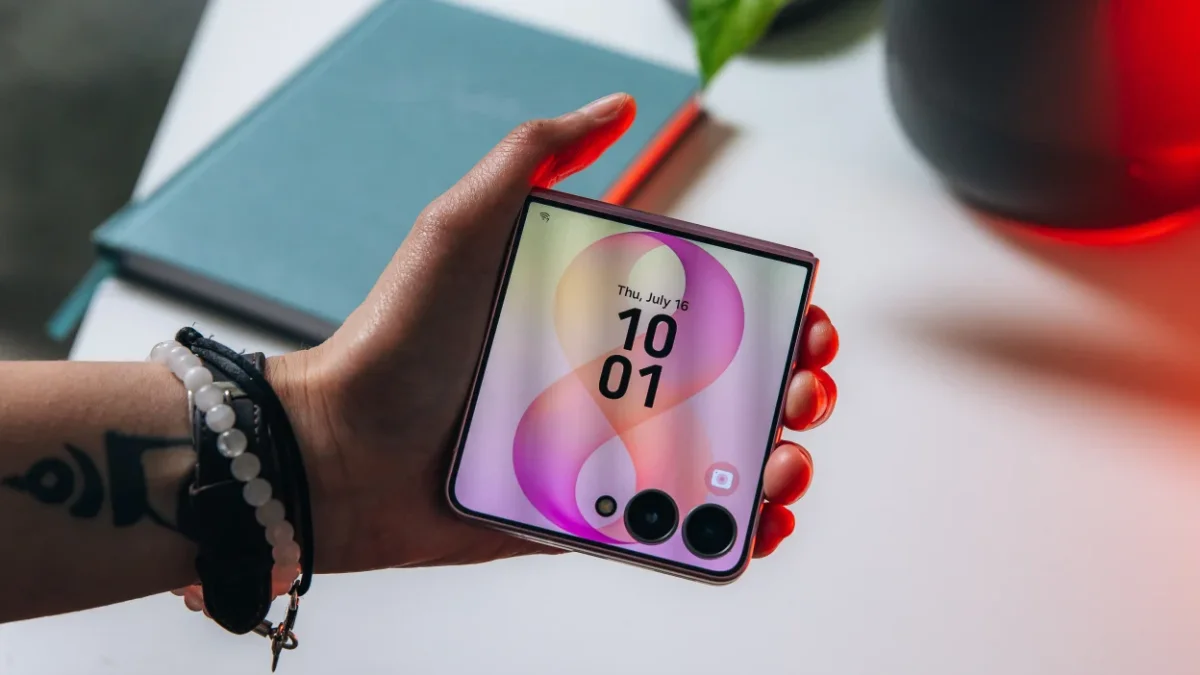
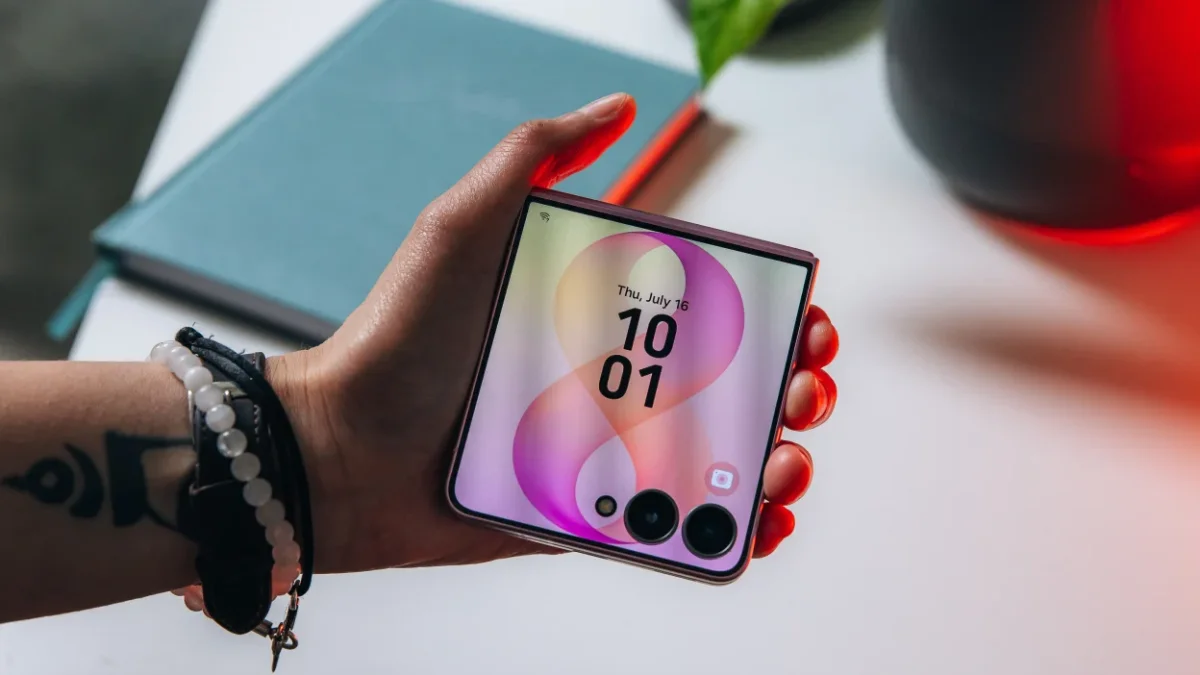
Buying a smartphone in 2026 calls for more price checking than usual. New models from Apple, Google and Samsung are arriving at higher starting prices, while Apple’s next Pro iPhones and its first foldable phone are still making their way to stores. That leaves buyers weighing the value of current devices against products that have been announced but haven’t yet completed independent testing.
Apple’s new models are still being evaluated
Apple introduced the iPhone 18 Pro, iPhone 18 Pro Max and iPhone Duo at its “Surprise and Shine” hardware event on Sept. 9. Initial reviews of the two Pro models are available, but testing of performance and battery life is still underway. At the time described in the source, at least one model was expected to join the buying guide after those checks were complete. Both Pro phones were open for preorder ahead of their Sept. 18 release.
That testing gap matters for buyers comparing premium phones. A first look can describe the hardware and early impressions, but extended use helps reveal how a phone performs across a full day and under demanding workloads. Until those checks are finished, there’s less evidence for judging whether the higher launch prices bring practical gains in everyday use.
The iPhone Duo is due later, on Oct. 23, with preorders scheduled to begin Oct. 16. Mashable’s Stan Schroeder spent time with the foldable at Apple Park earlier in the month and shared his first impressions. That early access offers a preview, but it isn’t a substitute for a full review of a retail device.
The Duo will enter a category where Samsung’s Galaxy Z Fold 8 is already a leading option. Apple’s arrival gives shoppers another product to compare, though the available information doesn’t yet settle questions about sustained performance, battery life or how the foldable fits into daily use. Those details will be more useful than a spec sheet when deciding whether to buy now or wait for testing to catch up.
Memory costs are feeding into phone prices

The price increases aren’t limited to Apple. The Pixel 11 Pro starts $100 above last year’s Pixel 10 Pro, and Apple and Samsung have also raised prices on new releases. Apple lifted the prices of some older iPhones by $100 after unveiling its latest models. Samsung is reportedly considering another increase for its current lineup, though that report describes a possibility rather than a confirmed change.
A key pressure is the global shortage of RAM, which the source links to demand from AI data centers. Those facilities consume memory and SSD storage chips, leaving less supply available to other electronics makers and pushing component costs higher. Phones share those supply chains, so the effects can reach consumer devices even when the phone itself doesn’t change dramatically from one generation to the next. The same pressure has also affected laptops and gaming consoles, as described in this account of RAM-related price increases.
For buyers, higher starting prices make the gap between list price and the eventual deal more consequential. A trade-in can reduce the upfront cost by several hundred dollars, while carrier offers may cover a phone’s price through monthly bill credits. Those offers can come with conditions: the examples here require an eligible trade-in and qualifying plan, and some deals depend on opening a new line. Compare the total cost over the plan period with the price of buying the phone outright; a “free” device may still require a commitment that changes what you pay each month.
The source cites the iPhone 18 Pro as available at no charge through eligible trade-ins and plans from AT&T and T-Mobile. The exact value depends on eligibility, the device being traded in and the plan selected, so those details should be checked before treating the headline offer as the phone’s true cost.
What to watch before upgrading
The most useful next step is to compare tested phones with the new models as reviews add battery and performance results. Buyers who need a phone now can look for trade-in credits and plan offers, then compare the full expense against a discounted current device. Those able to wait can see how the iPhone Duo performs in a completed review and whether its arrival changes the choices in the foldable category.
With component costs affecting several types of consumer hardware, price increases may not be isolated to one brand or one launch. For now, the clearest buying signal is to judge each phone by verified performance, battery life and the actual deal available to you—not by launch pricing alone.