Sample No. 0207
iPhone 20 Rumors Point to a Curved-Glass Redesign and New Display Sizes
Apple may skip iPhone 19 for a 2027 anniversary model with curved edges, larger displays and solid-state buttons. The design details remain unsettled.
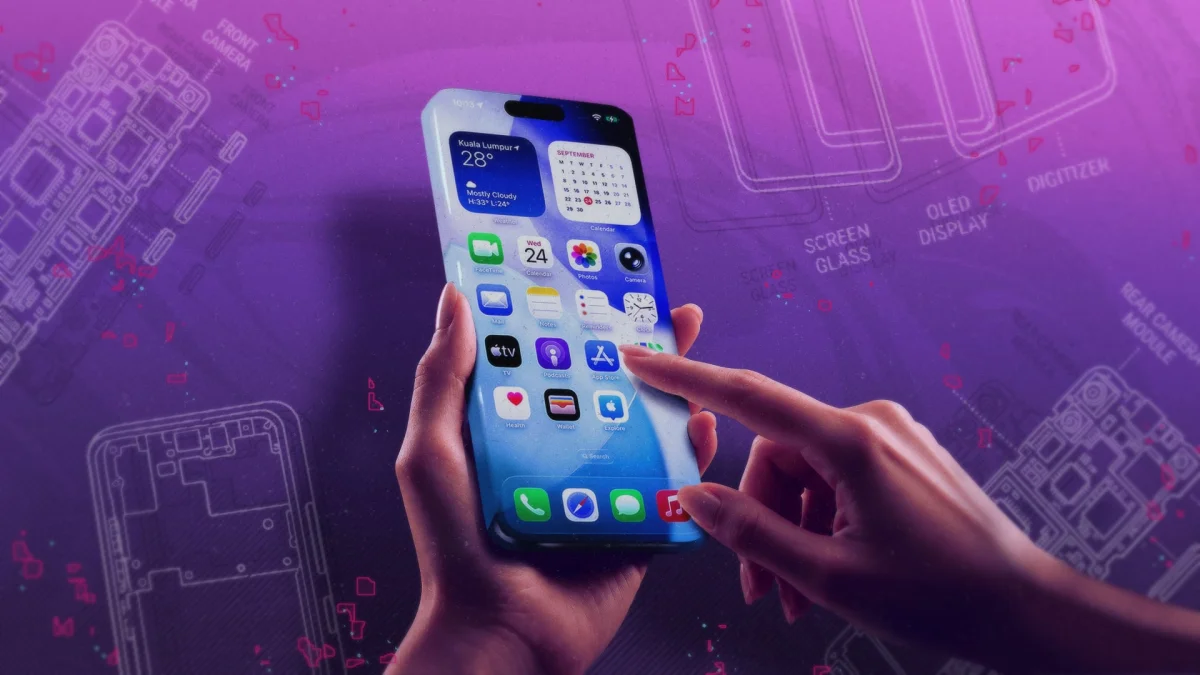
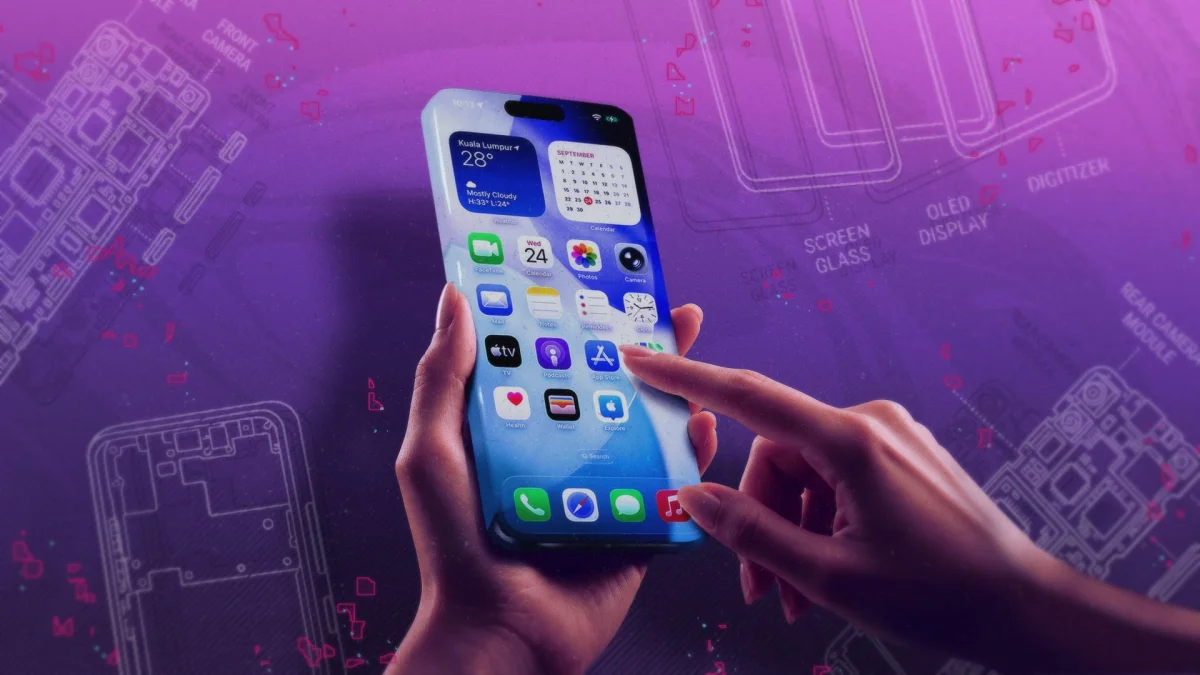
The rumored iPhone 20 could be a bigger design shift than a routine annual update. Reports describe an anniversary model with more glass, slimmer display borders and possibly buttons that don’t move. But the most striking claim—a display that curves around all four sides—has already drawn skepticism from a prominent leaker.
Apple has just revealed the iPhone 18 Pro and Pro Max alongside the foldable iPhone Duo. The next major design milestone may arrive in fall 2027, when the iPhone turns 20. Reports suggest Apple could call that model the iPhone 20 and skip the iPhone 19, echoing the company’s past willingness to alter its naming sequence. The original iPhone went on sale on June 29, 2007.
That timing gives Apple a reason to make a more visible change, though the details remain rumor. Here’s what the reports say, and where they disagree.
A glass-heavy design, with a caveat
Reports from 2025 by Bloomberg and The Information described an edge-to-edge design with substantially more glass than a typical iPhone. Bloomberg’s Mark Gurman predicted a “mostly glass, curved iPhone without any cutouts in the display,” with glass curving around the device’s edges. That description suggests a cleaner front, potentially without the familiar notch or Dynamic Island opening.
ETNews reported another possibility: glass bending along all four sides, creating a bezel-free appearance. That’s the version often imagined as a waterfall display, where the screen appears to flow over the phone’s edges.
Yet the shape of the display is disputed. Leaker Ice Universe has said the iPhone 20 won’t have a truly curved display. In a later post, the leaker argued that a genuine four-sided curve would be difficult to manufacture, and suggested Apple might instead create a visual effect that makes the edges look curved.
That distinction matters. A curved visual treatment could preserve a mostly flat screen while changing how the glass and light appear at the perimeter. The result might be closer to the rounded edges of the iPhone Air than to a screen that wraps down the sides. Other devices have used waterfall displays, but applying a sculpted glass form to the iPhone would still set it apart.
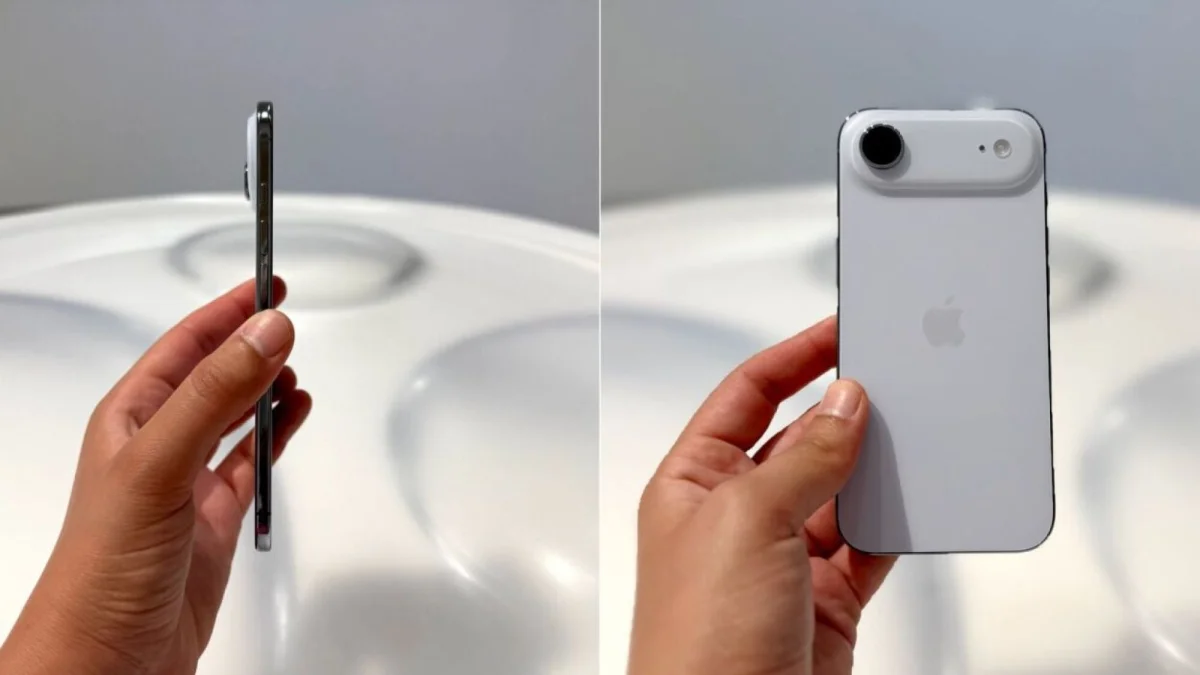
Credit: CNET Group
Possible changes to display size and camera cutout
The latest leak points to modestly larger Pro displays. Apple has kept the Pro at 6.3 inches and the Pro Max at 6.9 inches since the iPhone 16 generation. Leaker Digital Chat Station says the iPhone 20 Pro models may grow to 6.41 and 6.96 inches, with higher resolutions:
iPhone 20 Pro: 6.41 inches, at 2,686 × 1,236 resolution.
iPhone 20 Pro Max: 6.96 inches, at 2,912 × 1,340 resolution.
Those figures would add about a tenth of an inch to each model’s screen. On their own, that’s a small change. Paired with thinner-looking borders, though, the phones could feel roomier without a major increase in overall size. The figures come from a leak, so they shouldn’t be treated as settled specifications.
The selfie camera is another open question. Apple reduced the Dynamic Island on the iPhone 18 Pro, while the iPhone Duo places its FaceTime camera beneath the display. Digital Chat Station’s report suggests the iPhone 20 may keep the Pro models’ hole-punch camera rather than adopting the Duo’s under-display approach. That would leave a visible opening even if the rest of the screen appears nearly borderless.
Apple’s recent Liquid Glass design language makes a greater use of curved surfaces and refracted light plausible as a visual direction. It doesn’t confirm that the iPhone will use the same treatment, but it gives the rumors a design context.
Buttons that click without moving
One more reported change concerns controls. Leaker Instant Digital posted on Weibo that Apple is developing solid-state buttons for the iPhone 20. Instead of physically moving, the power, volume and camera controls would use haptic feedback to imitate a press.
For users, the question is whether that simulated click feels clear and reliable during everyday use. The source report offers no details on durability, repair, or how the controls would behave if the phone were powered off. Apple’s earlier move away from a physical Home button shows why a change like this could divide users: familiar controls are easy to judge by feel, and replacing that feedback asks people to adjust.
What to watch before 2027
Apple typically introduces its flagship phones in September. The iPhone 18 Pro was announced on September 9 and went on sale September 18, making early September 2027 a reasonable expectation for the anniversary model—not a confirmed schedule.
For anyone weighing an upgrade, the strongest case for waiting rests on the design, not the leaked display measurements. A curved-glass finish, smaller camera opening or haptic controls could change how the phone looks and feels, but none is confirmed. The key question is whether Apple can deliver the edge-to-edge appearance without the manufacturing challenges associated with a truly curved screen. The next reports should clarify whether iPhone 20’s defining feature is a new display shape or a carefully crafted illusion of one.