Sample No. 0104
Alberta Tech Turns Software Engineering Experience Into Creator Career
After six and a half years at Google, Alberta Tech went full-time on tech comedy, using engineering experience to explain AI and software work.
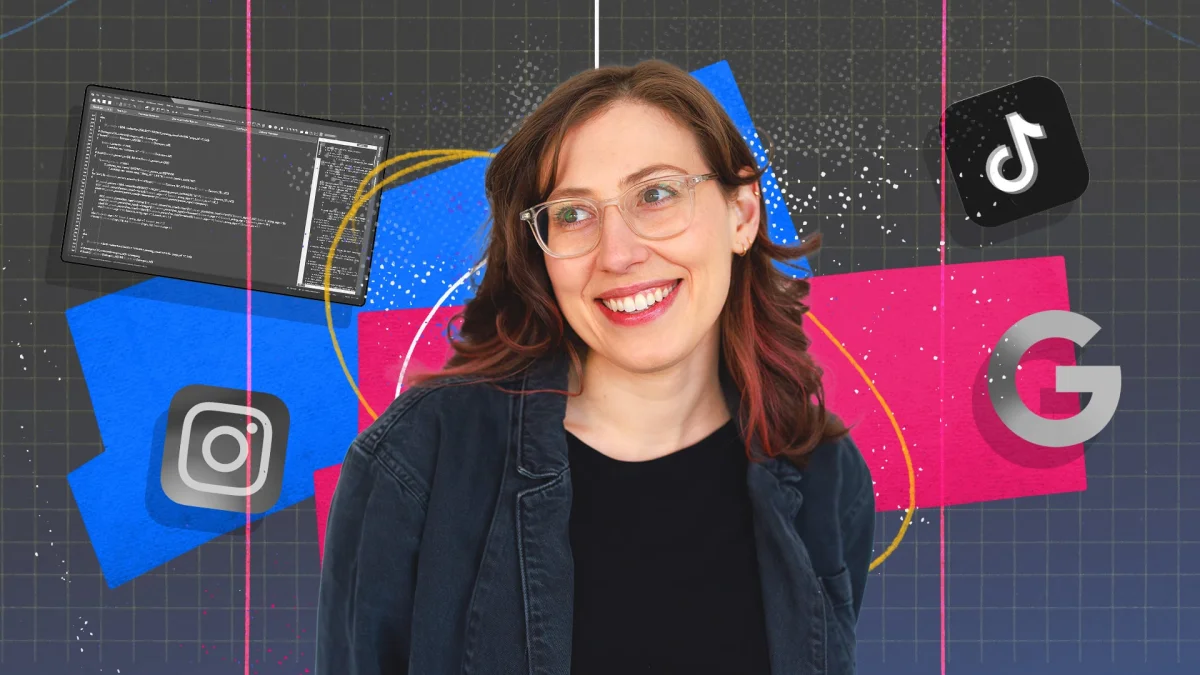
Alberta Tech’s engineering background gives her tech comedy its edge: she can make a joke about software work and trust that her audience will recognize the truth inside it. After six and a half years at Google, including time working on YouTube, she recently left engineering to make videos full-time. The transition grew out of a pandemic hobby, but the decision to commit came down to the work she wanted to make—and the time it required.
Her videos take on subjects such as generative AI and “vibe coding,” translating fast-moving technical conversations through humor. She’s now cautiously optimistic about AI’s uses in her own workflow, though she remains unconvinced that it can write a joke that lands. That mix of familiarity and skepticism is central to her approach: explain what’s changing, make it funny, and leave room to question what the tools can actually do.
TikTok was where the idea started. During the early pandemic, bored at home in a small New York apartment, Alberta began filming jokes about lockdown life and whatever else came to mind. She wasn’t planning a career change. As she kept posting, software developers and other tech workers began responding to the references drawn from her day job. Her audience took shape around the world she already knew.
That connection let her create for a specific group without turning every video into a technical lecture. More than half of her current audience, she says, works in software engineering or development. Speaking credibly to that audience requires knowing the material. She rarely discussed her Google job directly online, partly because she worried about losing it, but the details and references in her videos signaled that she understood the work from experience.
Making the leap from a day job
For years, she kept both careers going. She liked building features for YouTube, a platform that now matters to her as a creator, and continued engineering while producing videos outside work. Eventually, the quality bar she set for her content—and the time needed to meet it—made the arrangement difficult to sustain. She decided she needed to focus on creating full-time.
The choice still made her nervous. Telling her boss was daunting, and her boss asked whether she was sure. Alberta had been thinking about it for a long time, she said, but knowing that didn’t make the conversation easy.
Her advice to people considering the same move is direct: don’t leave a job before you’ve found what makes an audience care. People may not arrive because they’re interested in the creator as a person. A creator has to give them a reason to stay, whether that’s useful information, entertainment, or a particular point of view. The work is to keep experimenting until that value becomes clear.
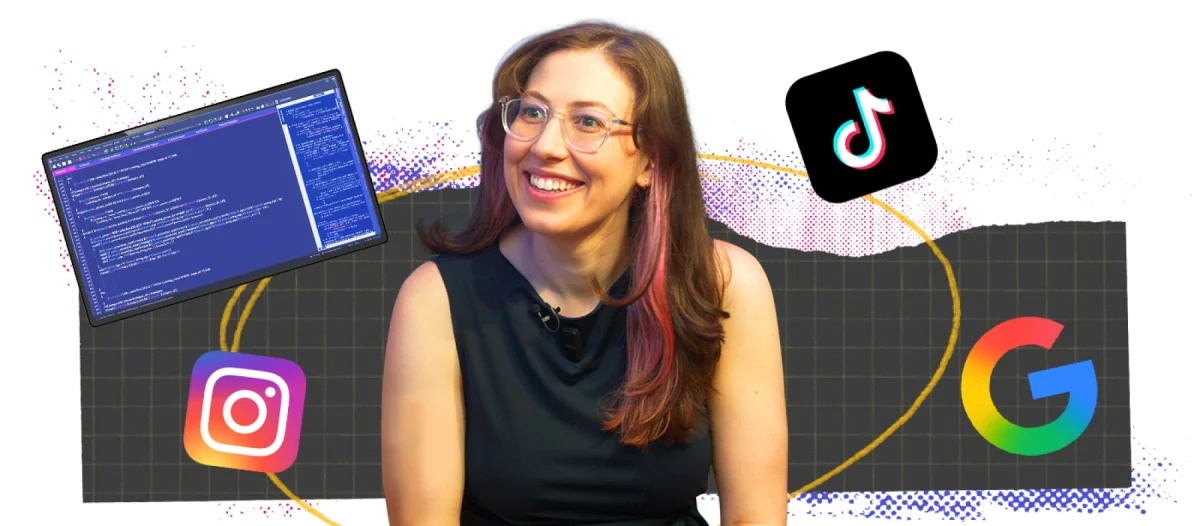 She was bored during the pandemic. Now she's turning her tech background into a full-time comedy career.
Credit: Ian Moore/Mashable/Getty Images
What AI helps with—and what it doesn’t
Alberta’s own view of generative AI has shifted as the systems have improved. When large language models first drew widespread attention, she saw them as tools that predicted plausible next words without necessarily understanding what they were saying. In her view, the early results often backed up that skepticism. Since then, she’s seen useful applications and incorporated AI into parts of her workflow.
Research is one area where she finds it helpful. She doesn’t treat AI output as a source of facts to accept without checking. Instead, a tool can suggest avenues to investigate, surface background she hadn’t considered, and point her toward a deeper line of research. That can help a creator find the next question to pursue. The factual work still requires judgment and verification.
Writing comedy is a different matter. Alberta has tried asking ChatGPT to generate a funny script and hasn’t found the results usable. She is more comfortable asking AI to critique work—for example, flagging an inaccurate fact or a spelling error—than handing it the creative task. For her, the distinction is practical: a tool can assist with research and review, while the original idea and the joke still need a human author.
Her experiments with AI video suggest that the technology can reproduce more than a passing visual effect. She took a video that had previously performed very well, kept the same script, and recreated the piece with AI video generation tools. The new version also did well. She drew two conclusions: the concept mattered most to the video’s appeal, and video generation had become strikingly capable.
That result also leaves a question for creators as synthetic video improves: what will help human-made work stand apart? Alberta’s answer is the original idea and script, rather than a generated personality simply delivering generated material. AI may lower the effort required to produce a video, but production alone doesn’t supply a distinctive point of view.
Engineering, communication, and comedy
Engineering gave Alberta more than subject matter. Six and a half years working through technical problems taught her how to investigate unfamiliar topics, think about how they work, and turn complex ideas over from different angles. The corporate routine also gave her experience managing calendars, email, and other everyday tasks that matter when a creator is running a business.
The influence ran the other way, too. Creating videos helped her explain technical subjects in accessible language, a skill she could carry into engineering work. Her view is that comedy can do similar explanatory work. If a viewer understands why a technical situation is funny, they’ve likely grasped at least some of the underlying idea. Setting up a joke requires enough context to make the punchline work, and that context can help the audience understand the subject.
“Vibe coding” shows how quickly the language around software work can shift. When the term first spread, it often described asking a chatbot to build something, then accepting the result without inspecting the code. Alberta says developers now use AI tools in more involved ways: they review what the tools produce, understand how it fits together, and give precise instructions. The practice has become part of many programmers’ workflows, though she says the field still lacks a widely used everyday term for that more hands-on process. “Agentic engineering” is one phrase she’s heard, but it hasn’t become common.
The fast pace of model releases is exciting to Alberta and a little unsettling. Topics once discussed mainly among technical specialists now attract broad attention. Her read is that creators will need to keep asking what a tool does well, where it falls short, and what people bring that a model-generated performance can’t replace.
For Alberta, the clearest answer starts with the idea: technology can help with research, editing, or video production, but the concept is what gives a piece its reason to exist. Her path from engineer to full-time creator suggests a useful test for anyone weighing a similar move: find the work that earns an audience’s attention before making the audience your only plan.
Alberta Tech on what AI gets right and where it still falls short for creators