Sample No. 0103
King Princess’s Sexuality Debate Shows the Pressure Around Queer Labels
King Princess says she’s a lesbian despite past experiences with men. The backlash reveals how stigma and rigid expectations shape debates over queer identity.
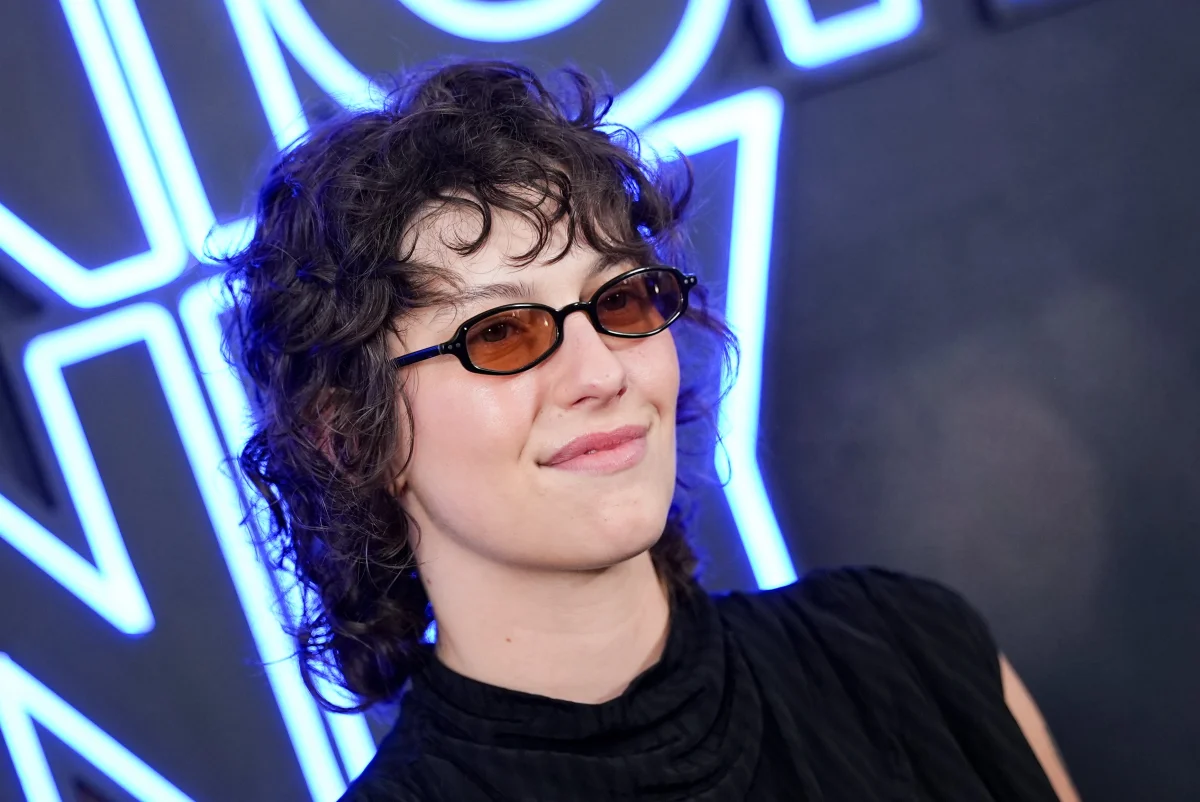
King Princess’s comments about sex with men have reignited a familiar argument: who gets to define a person’s sexuality, and what experiences are supposed to qualify them for a label? The singer-songwriter identifies as a lesbian. Some listeners see her account of sleeping with men as incompatible with that identity; she says the choice of label belongs to her.
The discussion took off after a November 2024 appearance on Celebrity Book Club with Steven & Lily resurfaced online. King Princess said she had “taken a lot of dick,” described sometimes choosing to sleep with men, and added, “I’m not bi, but why would I exclude myself?” She also said she would sleep with a man if she were bored enough.
Those remarks spread across Reddit, X, Instagram and TikTok. Some commenters called her a “bisexual cosplaying as a lesbian”; others argued a “lesbian deserves better than this.” A third camp pushed back with hot takes defending her right to use the label. The argument drew on a familiar assumption: that lesbian identity requires never having sex with men.
Experience doesn’t settle the label
In TikToks that have since been deleted, King Princess said she had never dated or fallen in love with men, and described sex with them as something she chose to try. She rejected the idea that she was less of a lesbian because she wasn’t “gold star”—a term used for lesbians who have never slept with men. In another deleted response, she said that equating her with bisexual people was unfair to them.
“The amount that I actually care about men romantically or sexually is so small…it would be inappropriate to call myself bisexual,” she said. “You can’t tell me what my sexuality is.”
Her distinction is between occasional sexual interest and the romantic or sexual pattern she believes describes her. That’s a meaningful distinction for her to make about herself. From the writer’s perspective, though, attraction to more than one gender—even if it’s rare—could also fit the word bisexual. Neither view turns a label into a test that strangers can administer.
Labels are tools people choose to describe themselves, and their meaning can shift between individuals. The problem starts when a definition becomes a rule imposed from outside. Some online commenters treat “lesbian” as a category with a fixed history of behavior; others argue that someone can use the label based on where their attraction and relationships primarily lie. King Princess’s account sits directly in that dispute.
That disagreement also touches a longstanding frustration among bisexual people: the feeling that they need to prove they’re “queer enough.” As discussed in writing about that pressure and the way bisexual women become a Pride punchline, bisexuality is often treated as indecision, exaggeration or a temporary stop on the way to another identity.
Why the reaction carries extra weight
There’s a reason some lesbians are wary when a public figure identifies as lesbian and later describes relationships with men. JoJo Siwa is a recent example of a celebrity whose identity has drawn renewed attention after a relationship with a man. Meanwhile, Reneé Rapp identified as a lesbian in 2024 after previously saying she was bi, then asked in a 2025 podcast appearance whether she might feel differently about that identity in a decade. People whose own identities feel settled may find that uncertainty hard to relate to.
But stigma can make bisexuality a difficult label to claim. Public discussion has repeatedly questioned whether straight women will date bisexual men; the dating debate returned this summer. New YouGov data found that two-thirds of straight women were unwilling to date a bisexual man. The same research found that a third of straight men were unwilling to date a bisexual woman, as were one in five lesbians.
Asked why, some respondents offered no explanation beyond personal preference. Others repeated the stereotype that bisexual people are more likely to cheat. Such assumptions can make the label feel like an invitation to be doubted or dismissed. Coverage of stigma and bisexual mental health and the large share of the U.S. LGBTQ community that identifies as bisexual gives that pressure wider context: bisexual people are numerous, but still face common misconceptions.
There’s another complication. King Princess also made a now-deleted comment alleging that other sapphic pop stars were privately in relationships with men while publicly claiming to be gay. Social media users then began speculating about who she meant. That detour shifts attention from her own identity to claims about other people’s private lives, where outsiders have even less basis for certainty.
King Princess’s label is hers to choose, and listeners can still question what labels mean to them. The sharper lesson is that a person’s sexual history, romantic life and chosen identity don’t always fit a neat public checklist. As this debate continues, the more useful question may be why bisexuality remains hard for some people to name—and why strangers feel entitled to settle anyone else’s answer.