Sample No. 0068
Google Health Expands Workout Detection, Fitbit Air Health Features and App Connections
Fitbit devices will detect more workouts, Fitbit Air gains Health Guardian, and Google Health adds nutrition, cycle, glucose and lab connections.

Google’s latest updates make its health tracking more useful in three practical ways: they expand automatic workout detection, bring Health Guardian features to Fitbit Air, and connect Google Health with more services. The changes cover Fitbit Air and several Pixel Watch models, with timing that varies by feature.
The announcement arrived alongside news about the Google Fitbit Edge, which is included in the workout detection upgrade. For people who already use Google’s devices and app, the appeal is less about a new tracking category than about reducing the manual work needed to keep health and activity records useful.
Automatic tracking aims to catch more workouts
Fitbit Air, Pixel Watch 3, 4 and 5, and Fitbit Edge are set to gain automatic detection for more than 100 activities, up from 10. The added coverage includes strength training, swimming, racket sports and team sports. Google says the improved system will deliver twice as accurate detections and cut missed workouts by more than half.
Those figures are Google’s claims; the announcement doesn’t describe the measurement method or explain how accuracy was assessed. The practical test will be whether the devices recognize the activities people actually do, with fewer gaps and less cleanup afterward. That matters especially for users whose workouts don’t fit a narrow set of common categories.
The system is also intended to create activity logs automatically when a workout passes a minimum duration threshold. Fifteen minutes is the default, and the announcement says users should receive a summary in the mobile app within about 30 minutes when sustained heart rate triggers a log. That leaves an important detail open: users’ experience may depend on how well the detection system identifies the activity and applies the duration rule.
Google says automatic detection will learn from user patterns, including when people confirm or edit activities. In principle, that gives the system a way to improve its understanding of an individual’s routines over time. The company hasn’t explained how much feedback it needs, how quickly adjustments take effect, or which edits influence future detections. Those details will shape whether this feels like genuine personalization or simply a broader activity classifier.
The update is scheduled to start rolling out later this month. Until it reaches a device, existing users shouldn’t assume their current tracking behavior has changed.
Health Guardian comes to Fitbit Air
Fitbit Air is also due to receive Google’s Health Guardian features, beginning later this month. Access requires a Google Health Premium subscription. Google started bringing the suite to Pixel Watch at the end of September and had previously said Fitbit Air would follow.
Health Guardian covers insulin resistance trends, blood pressure trends, sleep breathing quality trends and breathing emergency detection. These features broaden the kinds of health signals Google Health can present, beyond routine activity and sleep tracking. For users, the subscription requirement is a practical part of the update: having compatible hardware alone won’t be enough to access the suite.
The announcement doesn’t provide details about how each trend is calculated, what data is required, or which Fitbit Air users will receive each feature first. Those specifics matter for understanding how to interpret the results and how much history the app needs before it can show a useful trend. The rollout will clarify availability, while the feature descriptions leave room for questions about setup and day-to-day use.
More health data can flow into Google Health
Google is adding connections with MyFitnessPal, Flo Health, Abbott and Function Health. MyFitnessPal users will be able to sync meal and nutrition logs with Google Health. Flo Health will connect cycle data, Abbott will provide a single view of glucose trends, and Function Health will supply lab insights.
These connections could make Google Health a more useful place to review information that currently sits across separate apps and services. The benefit depends on the details of each connection: what data transfers, how often it updates, and whether users can review or correct information in Google Health. The announcement describes the types of data involved but doesn’t specify those mechanics.
For people already using these services, the integrations may reduce the effort of bringing separate records together. For everyone else, they’re optional connections rather than a reason to change providers. Compatibility and setup details will matter as the integrations arrive.
A new metal band rounds out the update
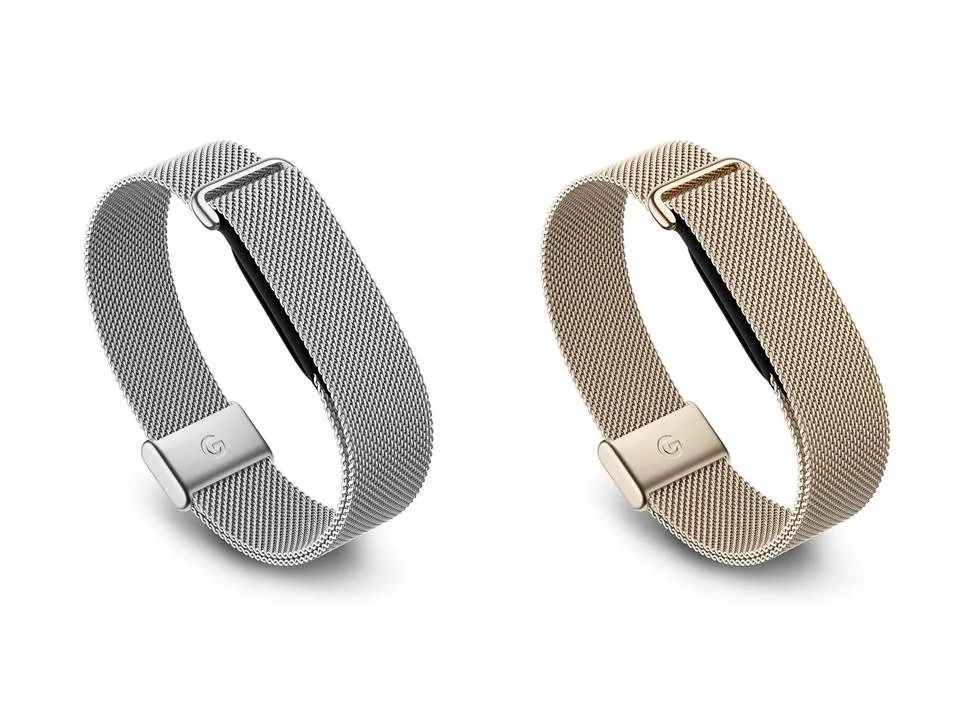
Fitbit Air is getting a stainless steel Metal Mesh band in champagne gold or polished silver. It costs $69.99 on its own. Google will also sell the band with an Obsidian Fitbit Air for $149.99. This is a hardware accessory rather than a change to tracking, but it adds another finish option for buyers choosing the device.
The software additions carry more weight for existing users: activity detection is expanding, Fitbit Air is gaining access to Health Guardian with a Premium subscription, and Google Health is adding links to services that hold nutrition, cycle, glucose and lab data. The rollout dates and integration details will determine how much of that potential shows up in everyday use.
Read the original post about the Google Health and Fitbit Air upgrades.