Sample No. 0238
iPhone Duo Reviews Flag Its 4MP Under-Display FaceTime Camera
Reviewers like Apple’s first foldable, but its 4MP inner-screen camera produces weak photos and video calls.
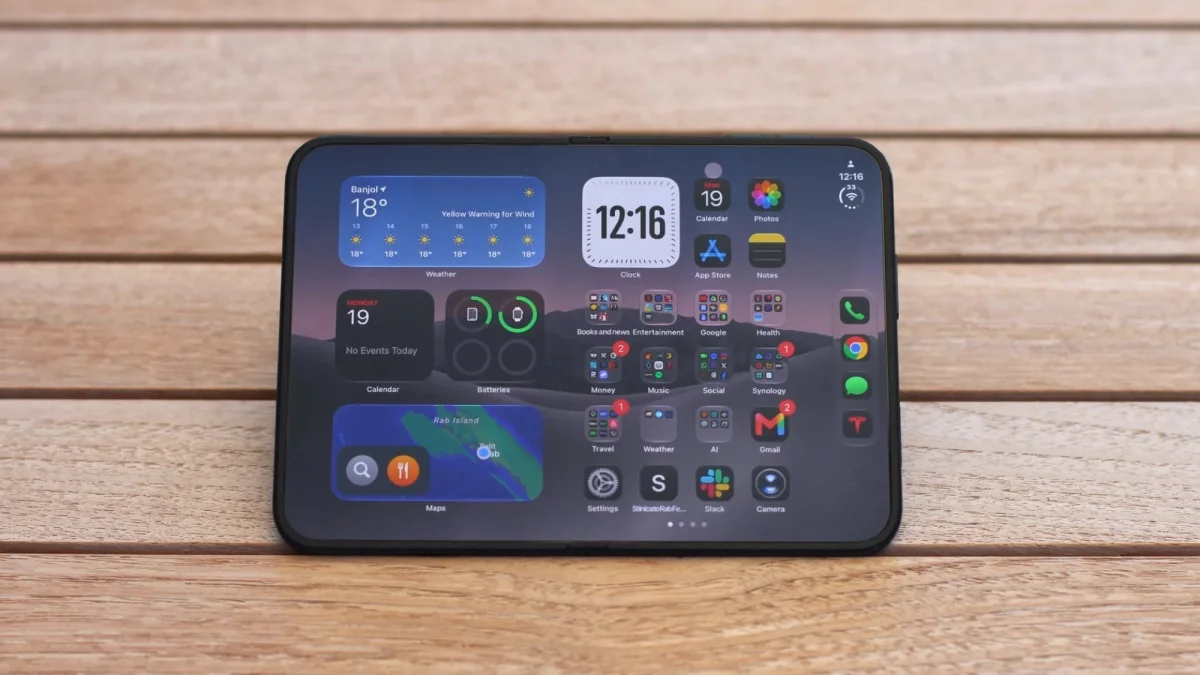
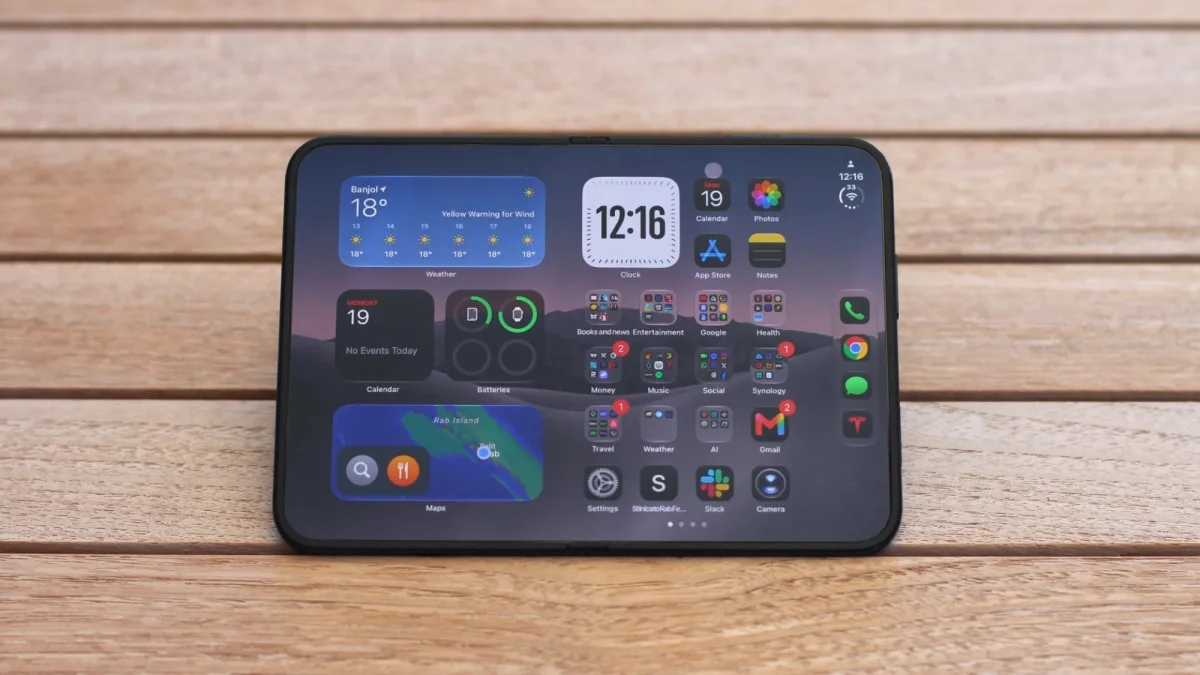
The iPhone Duo’s most distinctive camera feature is also its clearest compromise. Reviewers have been broadly positive about Apple’s first foldable, which launches Friday, Oct. 23, but several describe the camera hidden beneath its inner display as a weak point. It’s a small part of the phone’s four-camera setup, yet it matters because it’s the camera users reach for when the device is open and they want to join a video call or take a quick picture.
The early reviews point to a practical distinction: the under-display camera can serve in a pinch, but it isn’t a good choice for selfies. That limitation doesn’t appear to undo reviewers’ enthusiasm for the rest of the phone. It does, however, put a visible boundary around what the Duo’s foldable screen can do without a trade-off.
A camera made for calls, with image quality to match
Apple calls the lens beneath the inner screen a “FaceTime camera,” rather than promoting it as a general-purpose selfie camera. That name makes sense in light of its 4-megapixel resolution and the image quality reviewers describe. Mashable’s Stan Schroeder called its photos processed and smudgy. Marques Brownlee, reviewing the phone for his 21.4 million YouTube subscribers, called the camera “very first-gen” and “bad,” and said the photo quality was “trash.”
Gizmodo’s Ray Wong also found the images low-resolution, washed out, and soft. His assessment was that the camera is meant mainly for video calls, where it remains usable in a pinch despite a muddy picture. Eric Zeman of PCMag likewise recommended keeping it to FaceTime calls, citing weak focus and contrast along with visible image noise.
Those are sharp criticisms, but they describe a specific component rather than the phone’s entire camera system. The Duo has two rear cameras: a 48-megapixel main lens and a 48-megapixel ultra-wide lens. Its outer display also has a 12-megapixel Center Stage camera, which is the more suitable front-facing option when image quality matters. The phone omits the telephoto rear lens found on the iPhone 18 Pro and Pro Max.
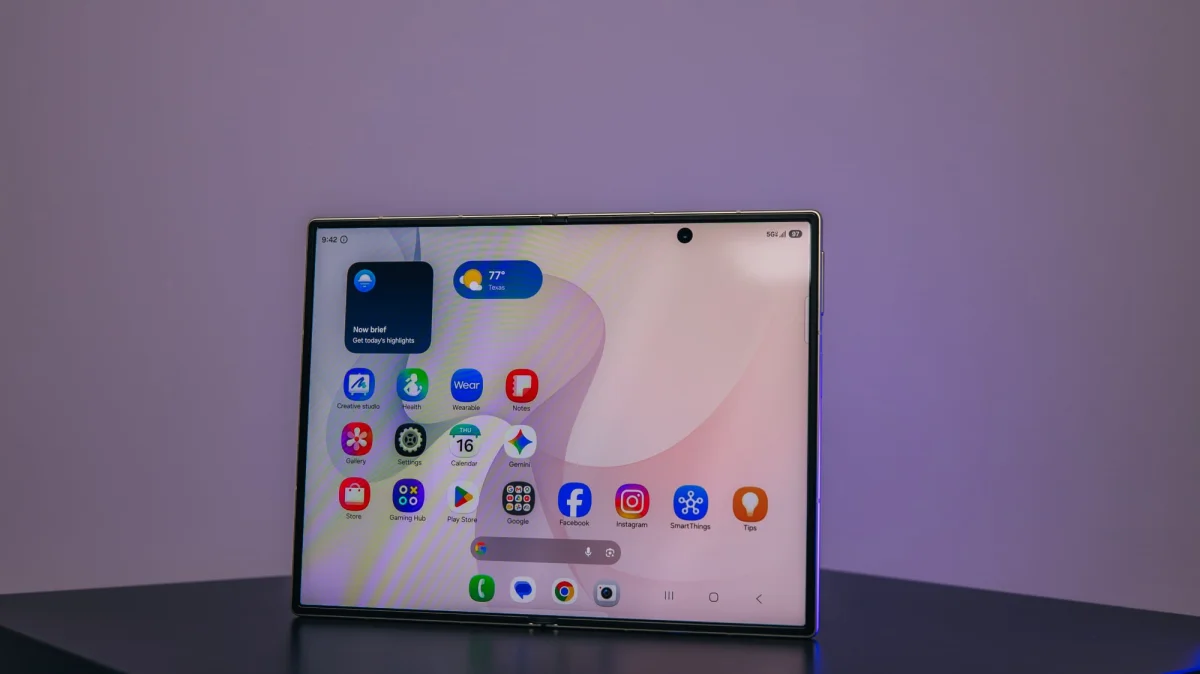
What the under-screen placement changes
The FaceTime camera sits beneath the inner display and can be used only when the phone is unfolded. That placement keeps a conventional camera opening from taking up space on the larger screen. Before the Duo’s release, the obvious question was whether the hidden lens would be distracting while people watched video or used the display. Reviewers seem largely comfortable with the design itself; their complaints focus on what the camera captures.
The distinction matters for foldable hardware. Hiding a camera under a display asks the screen to serve two jobs: show an uninterrupted image to the person using the phone and let enough light reach the sensor to form a usable picture. The Duo’s design prioritizes the first job, but reviewers’ accounts suggest the second still has limits. The source reviews don’t establish the precise technical cause of the image problems, so it would be a stretch to attribute them to the screen placement alone.
Samsung’s recent foldables offer a useful comparison. Wong notes that Samsung moved away from an under-display inner camera with the Galaxy Z Fold 7; the newer Galaxy 8 series uses visible pinhole openings instead. That choice gives the camera a direct view through the display, while making the opening part of the screen’s appearance. Mashable’s Timothy Beck Werth also reported poor results from the inner-display selfie cameras on the Galaxy Z Fold 8 and Z Flip 8, describing the Flip 8’s camera as “a bit trash.” The shared frustration suggests foldable makers still face a tough balance between an uninterrupted inner screen and a front camera people will want to use.
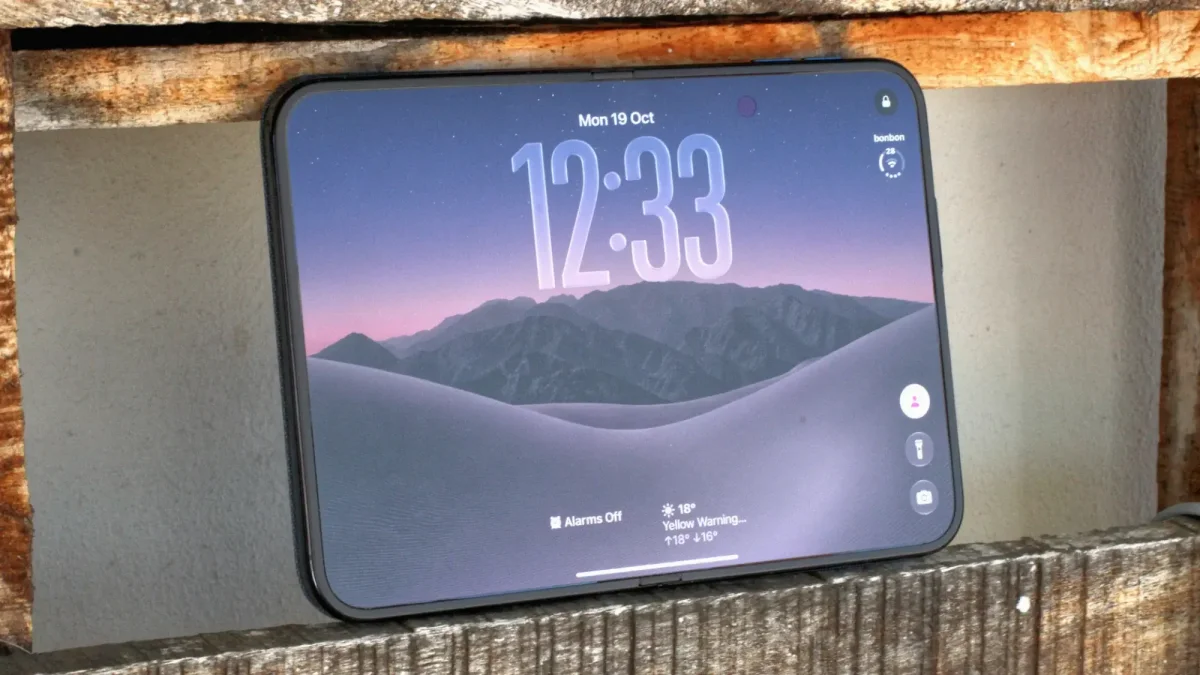
The under-display FaceTime camera on the iPhone Duo's inner display. Credit: Stan Schroeder / Mashable
Who should care about the limitation
For people who mostly use their phones for rear-camera photos or take selfies with the outer display, the weak inner camera may be easy to work around. The more relevant question is how often someone expects to use the unfolded phone for video calls. If those calls are frequent, reviewers’ reports suggest the image may look noticeably rough. If they’re occasional, the camera may do its basic job without changing how useful the larger screen feels day to day.
The trade-off also gives buyers a concrete point to compare across foldables. A hidden camera can make an inner screen look cleaner, while a pinhole camera leaves a visible interruption in exchange for a lens that isn’t behind the display. The reviews don’t provide a controlled comparison of image quality between these designs, but they do show that neither approach has yet satisfied every expectation for a foldable’s inner-screen camera.
The Duo’s launch is Friday, Oct. 23. A T-Mobile offer in the source lists a $1,000 saving, with purchase links for the phone at T-Mobile, Apple, and Verizon. The offer is separate from the camera question: buyers weighing the phone should consider whether the cleaner inner display is worth living with a camera reviewers largely reserve for calls.
Apple may improve the camera in later Duo models, but these first reviews don’t say how or when that might happen. For now, the useful takeaway is straightforward: the iPhone Duo’s foldable format has reviewers’ attention, while its hidden inner camera remains a compromise to check against your own calling and selfie habits.