Sample No. 0204
Best iPhone to Buy in 2026: iPhone 17, 18 Pro, Air and Duo Compared
The iPhone 17 is the best fit for most buyers, while the 18 Pro models, Air and foldable Duo suit more specific needs.
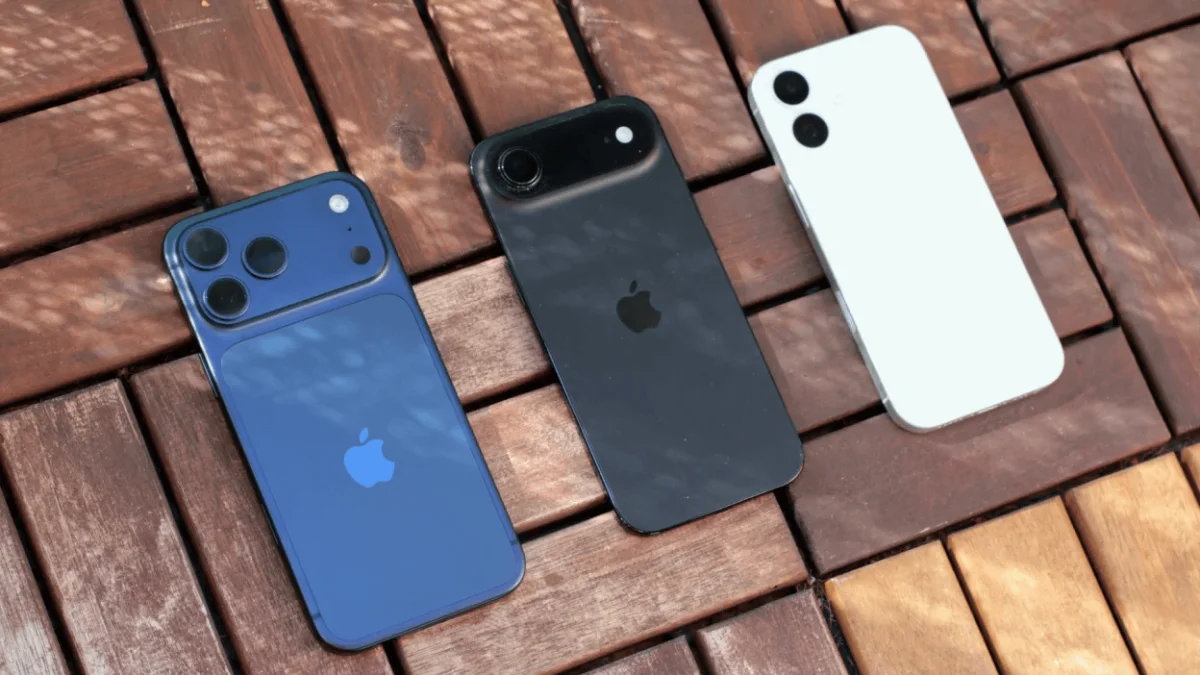
The best iPhone for most people in 2026 is still the iPhone 17. Apple's latest models add notable options for photographers, gamers and foldable-phone early adopters, but the standard iPhone balances screen quality, battery life and camera features without pushing into Pro pricing. With component costs rising and every model getting more expensive, that balance matters.
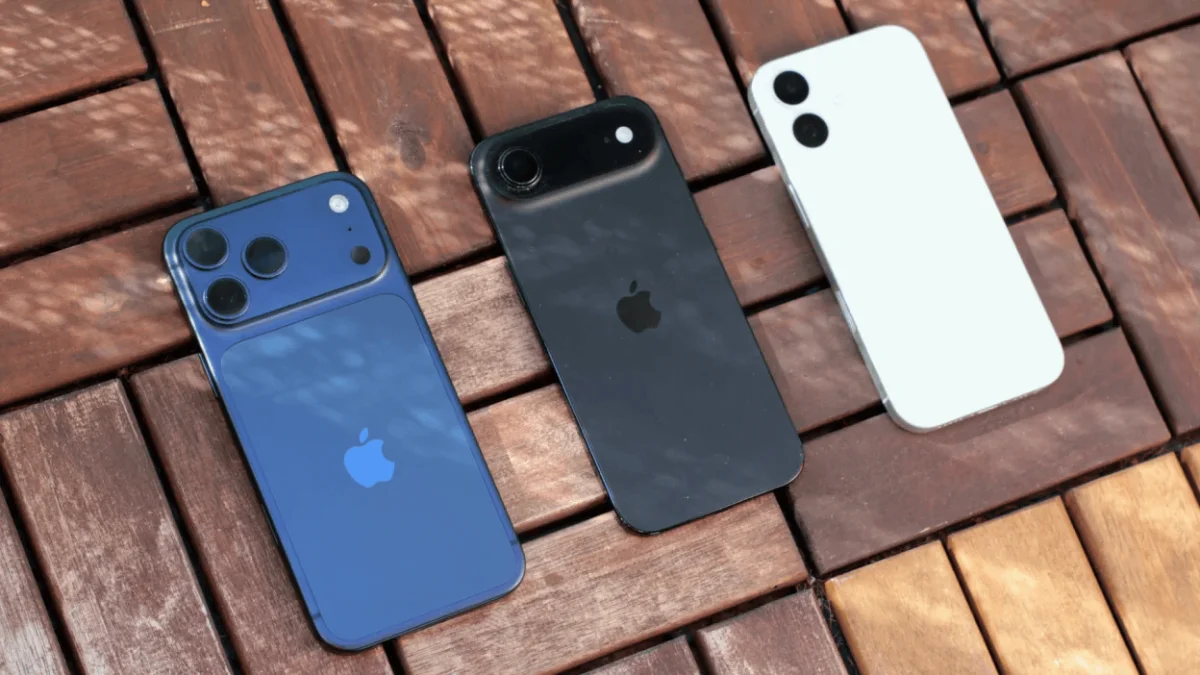
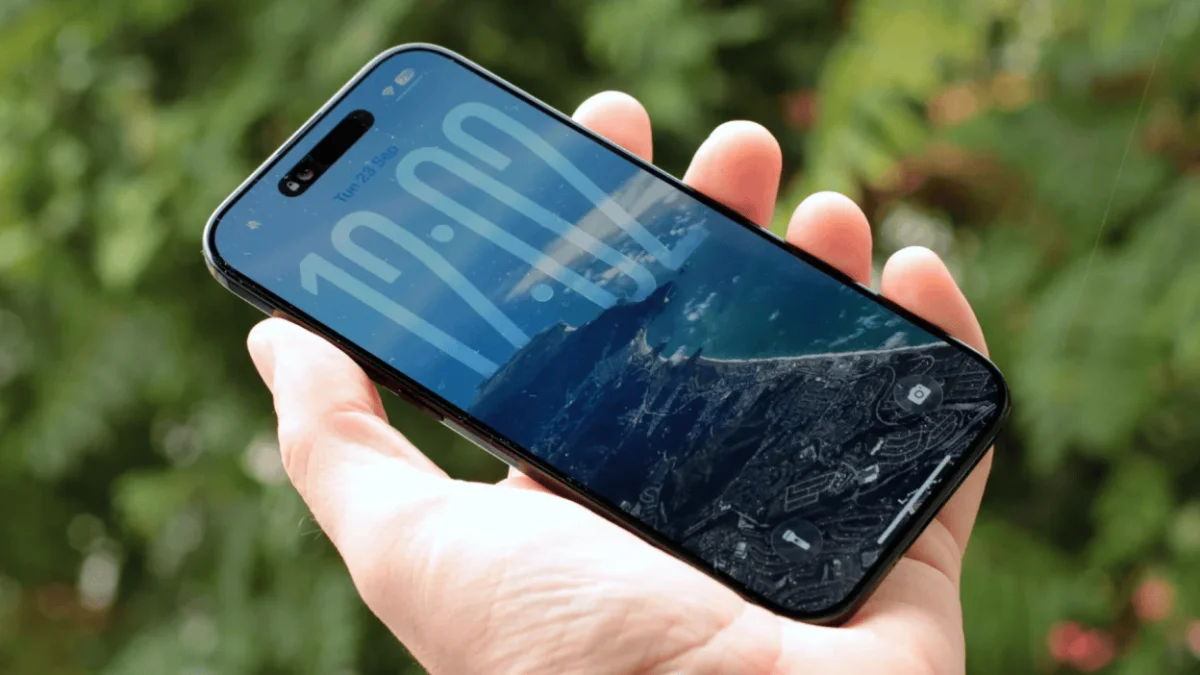
The lineup now spans the iPhone 17 and 17e, the slim iPhone Air, the iPhone 18 Pro and Pro Max, and Apple's first foldable, the iPhone Duo. All run iOS 27. The September “Surprise and Shine” launch brought the new Pro phones and the Duo into focus, while the iPhone 17 remains the strongest all-round recommendation. Apple hasn't announced a base iPhone 18; the source expects that model in spring 2027.
Carrier trade-in offers can reduce the upfront cost, but the advertised prices depend on eligible plans and trade-ins. For example, T-Mobile lists the 256GB iPhone 17 at no cost with a trade-in on select Experience plans, and the 17e under an Experience Beyond plan. Those terms matter: compare the full plan cost and trade-in conditions before treating a phone as free.
Best for most buyers: iPhone 17
The iPhone 17 lands in the useful middle: it has a smooth, always-on display, a dedicated macro mode and enough battery for a full day, without the extra camera and cooling features aimed at demanding users. It also costs $200 more than the iPhone 17e, a premium that buys a brighter, smoother screen, more capable cameras and a claimed 15 percent gain in battery life.
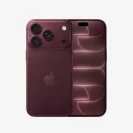
This isn't a dramatic leap over the iPhone 16. The appeal is a set of practical improvements that make the standard model feel close to a Pro for everyday use. Its 120Hz display and ultrawide camera are the clearest differences from the budget phone, and its color options—black, white, mist blue, sage and lavender—give buyers more choice than the usual restrained finishes.
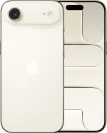
Key specifications: 6.3-inch OLED display, 2,622 × 1,206 resolution and variable refresh rate up to 120Hz; 48MP wide and ultrawide rear cameras; 18MP front camera; A19 processor; 256GB or 512GB storage; up to 30 hours of rated video playback. It measures 5.89 × 2.81 × 0.31 inches and weighs 6.24 ounces.
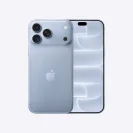
Best lower-cost option: iPhone 17e
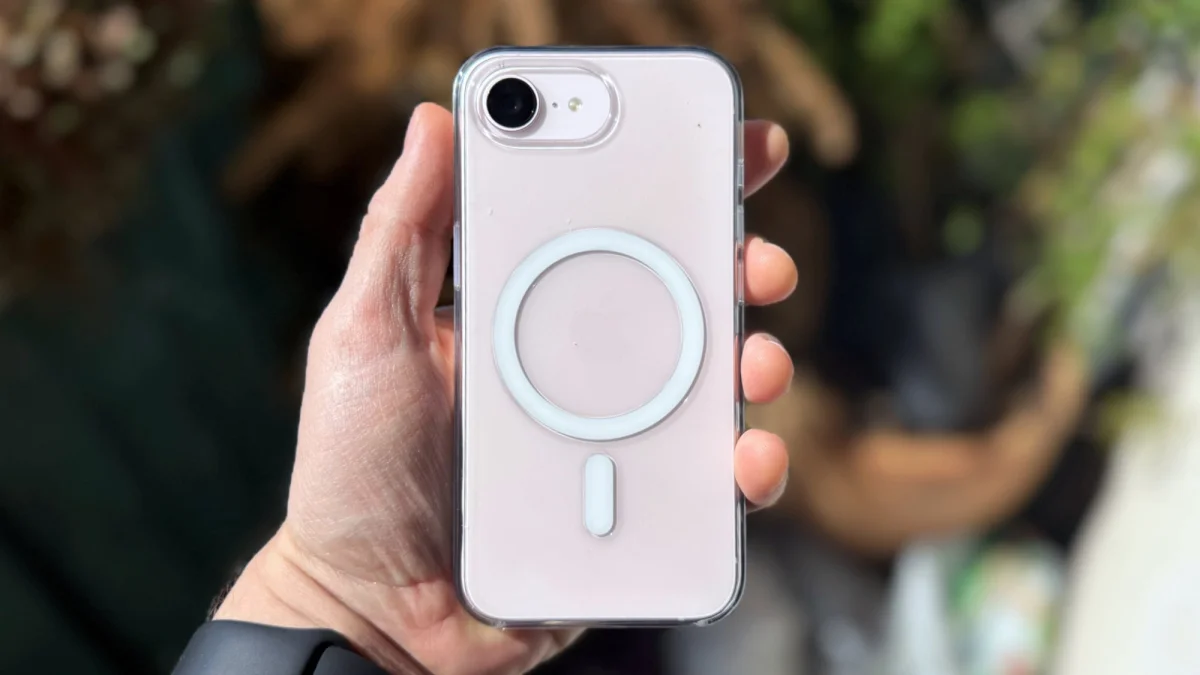
The iPhone 17e is for buyers who want the core iOS experience in a compact, less costly phone. It includes FaceTime, Siri AI, MagSafe and the same A19 processor and 256GB starting storage as the iPhone 17. That storage increase over the previous 16e makes the entry model a more comfortable choice for people who keep photos, apps and downloads on-device.
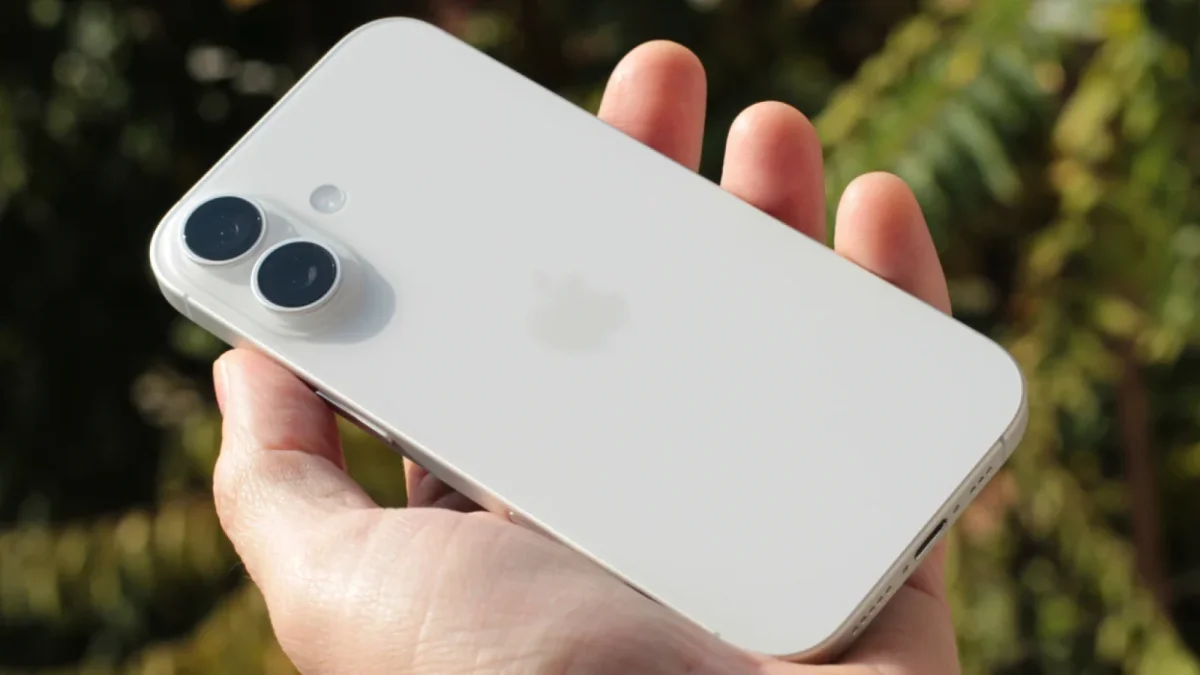
The compromises are visible in daily use. Its 6.1-inch OLED screen refreshes at 60Hz, so scrolling won't look as fluid as on the iPhone 17, and its camera system lacks an ultrawide lens. The front camera is also weaker. The 48MP main camera reportedly improves low-light shots slightly over the prior model, but buyers who take varied photos will get more flexibility from the 17.
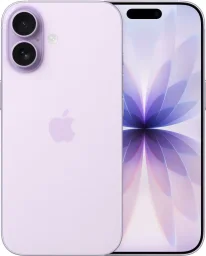
Key specifications: 6.1-inch OLED display, 2,532 × 1,170 resolution and 60Hz refresh rate; 48MP wide rear and 12MP front cameras; A19 processor; 256GB or 512GB storage; up to 26 hours of rated video playback. It weighs 5.96 ounces and comes in black, white or soft pink.
Best for photography: iPhone 18 Pro
The iPhone 18 Pro is the camera-focused pick for people who want more hands-on control without carrying the larger Pro Max. Its main camera adds a physical variable aperture, which changes exposure and depth of field. The Camera app can adjust it automatically, or photographers can set it manually. New controls for white balance and shutter speed, updated Photographic Styles, post-recording Cinematic effects and Focus Tracking expand the options for stills and video.
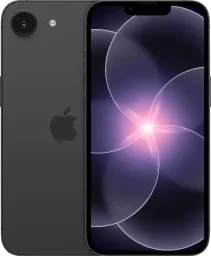
That added control won't matter equally to everyone. Most casual users may try the manual aperture once and leave it on automatic; creators and photography enthusiasts have more reason to explore the settings. The phone also moves to Apple's A20 Pro chip, which the company says supports AI tasks including a newer Siri, and storage now reaches 2TB. The Pro is available in black, silver, glacier and burgundy.

Owners of an iPhone 15 Pro or 16 Pro have a stronger case to consider the upgrade than people with an iPhone 17 Pro. The newer camera tools are the main reason to switch; anyone happy with their current camera and performance may not find enough here to justify replacing a recent phone.
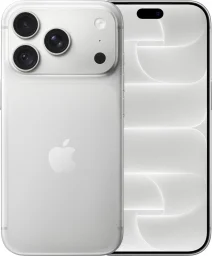
Key specifications: 6.3-inch OLED display, 2,622 × 1,206 resolution and variable refresh rate up to 120Hz; 48MP wide, ultrawide and 4× telephoto cameras, plus an 18MP front camera; A20 Pro processor; 256GB, 512GB, 1TB or 2TB storage; up to 36 hours of rated video playback. It weighs 7.44 ounces.
Best for a slim design: iPhone Air
The iPhone Air makes a clear trade: a remarkably thin, light body for fewer camera options and shorter battery life. Its titanium frame, nearly invisible display bezels and streamlined camera bump give it a distinct look and a comfortable feel in hand. At 0.22 inches thick and 5.82 ounces, it stands apart from the conventional iPhone designs.
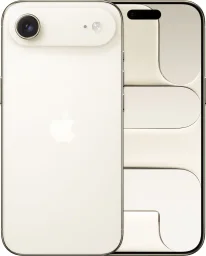
An A19 Pro chip makes it somewhat faster than the iPhone 17's A19, but the Air doesn't last as long between charges. Apple sells a MagSafe battery for $100, though attaching it adds cost and bulk to a phone whose central appeal is its slimness. The single 48MP rear camera offers better zoom than the iPhone 17, but there's no ultrawide lens. It's suitable for selfies and everyday snapshots, not the most flexible choice for photography.

Key specifications: 6.5-inch OLED display, 2,736 × 1,260 resolution and variable refresh rate up to 120Hz; 48MP rear and 18MP front cameras; A19 Pro processor; 256GB, 512GB or 1TB storage; up to 27 hours of rated video playback. Colors include space black, cloud white, light gold and sky blue.
Best for gaming and battery life: iPhone 18 Pro Max
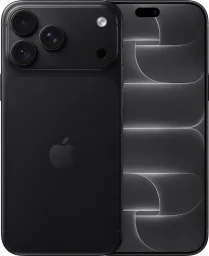
The iPhone 18 Pro Max pairs the Pro's camera system and A20 Pro processor with a larger screen, a cooling system designed for sustained heavy use and the longest rated battery life in the lineup. Apple rates it for up to 45 hours of video playback. The phone's vapor chamber is intended to move heat away during demanding tasks, and reviewer Stan Schroeder reported that an hour of PUBG: Battlegrounds at its highest settings left the device barely warm and used nine percent of the battery.
Those advantages come with a large body: the Pro Max weighs 8.78 ounces and has a 6.9-inch display. That size can suit gaming and watching video, but it may be uncomfortable for people who prefer one-handed use or smaller pockets. The regular 18 Pro shares its processor and cooling system, so the Max is chiefly for buyers who want the bigger screen and longer runtime.
Key specifications: 6.9-inch OLED display, 2,868 × 1,320 resolution and variable refresh rate up to 120Hz; 48MP wide, ultrawide and 4× telephoto cameras, plus an 18MP front camera; A20 Pro processor; 256GB to 2TB storage; up to 45 hours of rated video playback.
The foldable to watch: iPhone Duo
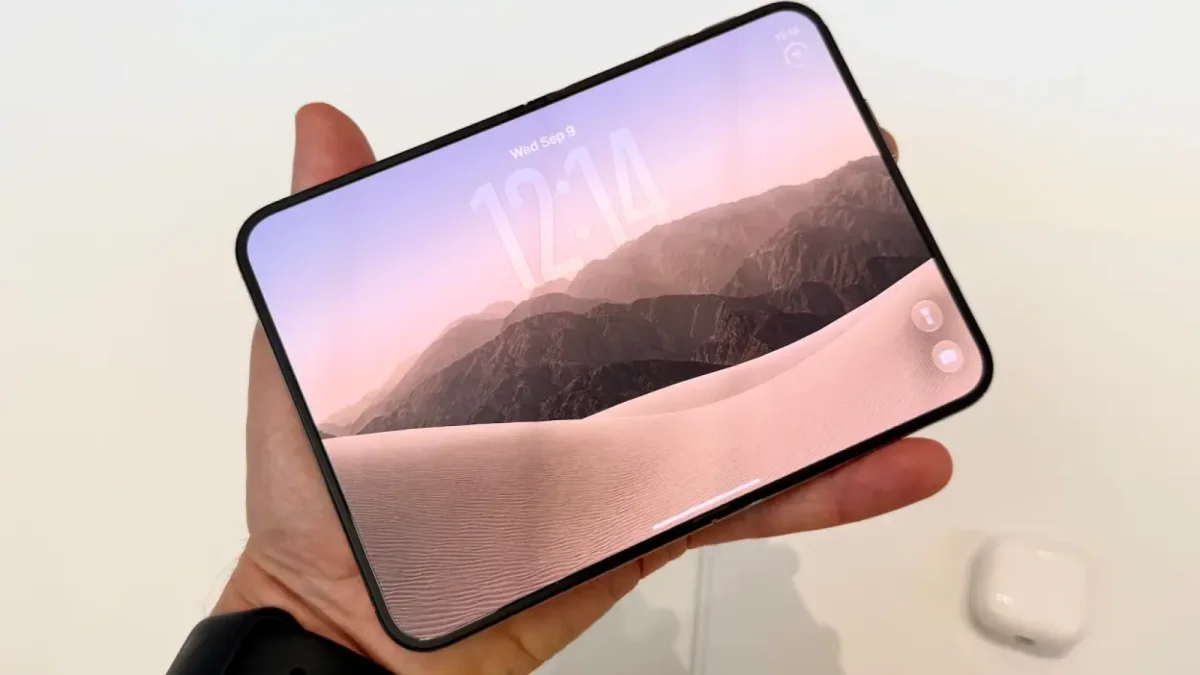
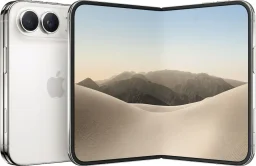
Apple's first foldable iPhone is scheduled to arrive on Oct. 23, with preorders opening Oct. 16. At $1,999 for 256GB, the Duo is a costly first-generation device, so its strongest audience is likely to be early adopters who want a foldable iPhone and are comfortable with the unknowns that come with a new form factor. Initial hands-on impressions suggest a polished device, but long-term use will reveal more about the foldable design.
The Duo has a 7.6-inch inner OLED display with a nano-texture finish and a 5.4-inch outer OLED display. Both support variable refresh rates up to 120Hz. Its cameras include 48MP wide and ultrawide rear sensors, a 12MP outer front camera and an under-display FaceTime camera whose resolution has not yet been specified. Apple rates battery life at up to 44 hours of video playback on the outer screen, or 31 hours on the inner display.
It runs on the A20 Pro and offers up to 2TB of storage. Folded, it measures 4.64 × 3.31 × 0.44 inches; unfolded, it measures 4.64 × 6.48 × 0.21 inches. At 8.96 ounces, it is heavier than either Pro Max. The key question for buyers is whether the larger inner screen changes how they use an iPhone enough to justify the price and the bulk.
For most people, the iPhone 17 remains the sensible starting point. Choose the 17e to spend less, the 18 Pro for camera controls, the Air for its thin build, or the Pro Max for battery life and a large gaming screen. The Duo adds a new shape to the choice, but its price and first-generation status make waiting for broader hands-on experience a reasonable call.