Sample No. 0192
September 2026 Pixel Update Leaves Some Users Unable to Unlock Their Phones
Pixel owners report PIN and pattern failures after the September update, with some resorting to factory resets that erase data not backed up elsewhere.
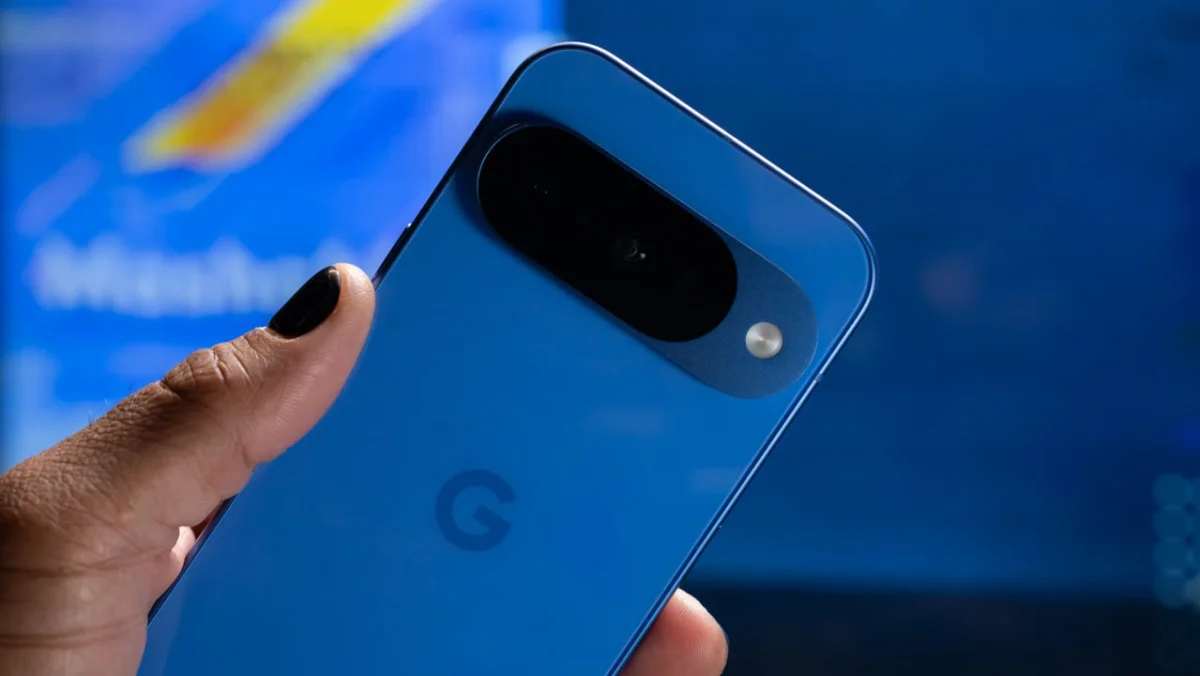
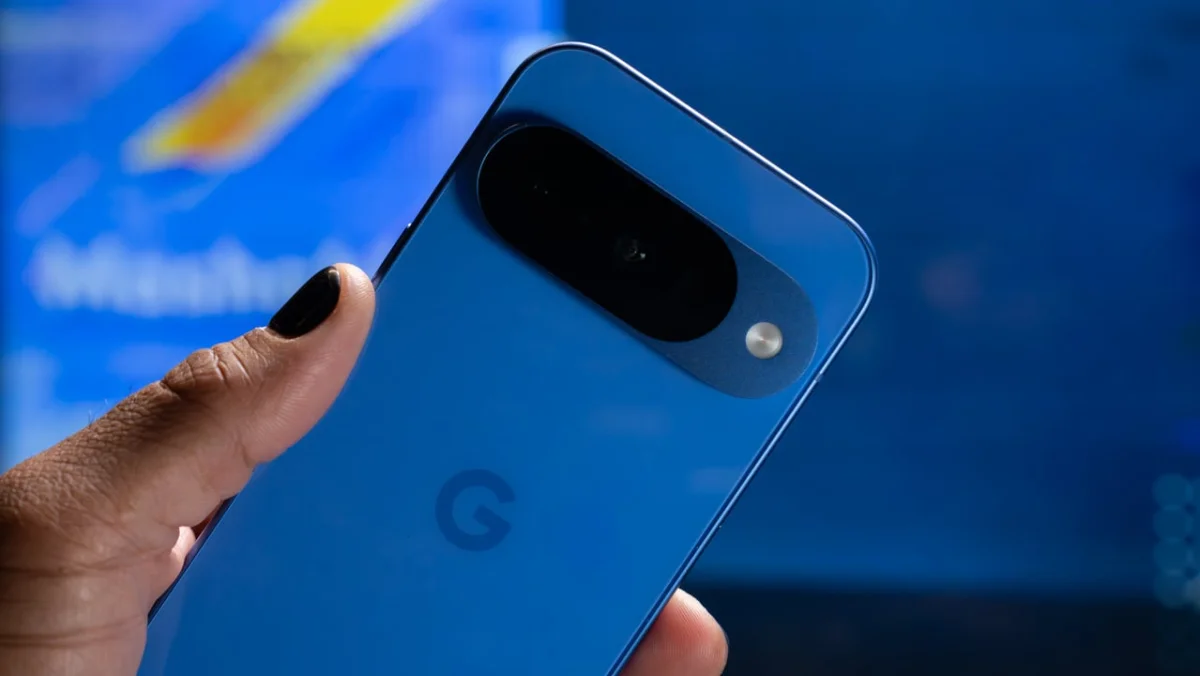
A phone update that blocks its owner at the lock screen can turn a routine security task into a data recovery problem. Pixel users across several generations say the September 2026 update has made their PIN or pattern unlock fail, and some have had to factory reset their devices to regain access.
The reports point to a problem in the lock screen’s authentication flow, though the precise cause remains unknown. Users describe different symptoms: on some phones, a pattern gesture appears to stop registering; on others, the device rejects a PIN after only its first digit. That makes it difficult to tell from the reports whether every affected device has the same underlying fault.
Reports span several Pixel models
Complaints have appeared on online forums, including Reddit, after users installed the September 2026 Pixel update. The affected devices mentioned include the Pixel 10 Pro XL, Pixel 9a and Pixel 8 Pro. These accounts are individual user reports, so they don’t establish how many owners are affected or whether the issue occurs on every device running the update.
One Pixel 10 Pro XL owner described a pattern-unlock failure in a Reddit post: after connecting a second dot, the line disappeared and the pattern reset. The user said the same thing happened regardless of where they started, leaving no apparent way to complete the gesture.
Other owners say the lock screen displays “PIN is wrong” as soon as they enter the first digit. If that behavior is accurate, the phone may be rejecting input before the person has entered the full PIN. The source reports don’t identify a workaround that reliably restores normal authentication across affected models.
Waiting may help, but can carry a cost
Repeated failed attempts can trigger an emergency countdown timer, according to some users. One person reported that waiting for the timer to expire appeared to resolve the problem and the phone then accepted the PIN. Other owners say waiting did not restore access, and some have resorted to a factory reset.
That difference matters for anyone deciding what to try next. A timer expiring helped in at least one account, but user reports don’t show that it’s a dependable fix. A reset can restore access to a device, yet it also erases locally stored data. Photos and files that weren’t backed up or saved elsewhere may be lost.
Google’s support information says it can’t remotely unlock an encrypted Pixel. Encryption protects the data on the device, but it also means there may be no remote recovery path if the lock screen stops accepting the owner’s credentials. Before taking an action that erases the phone, owners may want to check for a recent backup and look for further guidance about this specific issue.
Google has contacted some users
Android Authority reports that Google has reached out to users who described the problem on Reddit. The company hasn’t publicly explained the cause or released a fix, based on the source article. That leaves owners without a confirmed diagnosis, a clear estimate of the issue’s scope or a published recovery procedure.
For people who haven’t installed the update, the reports offer a reason to check that their important data is backed up before updating. Automatic updates can reduce the effort of keeping a phone current, while waiting to install gives users more time to notice early reports and confirm a backup. Neither approach removes the risk entirely; the practical safeguard is having a recent copy of important files somewhere outside the phone.
The next useful signal will be a public explanation or an update that addresses the lock screen behavior, along with guidance for devices that already reject their owners’ PINs or patterns. Until then, the central question for affected users is whether the timer workaround applies to their device—and whether they can avoid a reset that erases data they can’t replace.