Sample No. 0191
iPhone 18 Pro Updates, Foldable Duo and 2026 Phone Price Increases
The iPhone 18 Pro leads the photography picks, while the Pro Max sets a battery-life mark. Higher phone prices make trade-ins and plan terms matter.
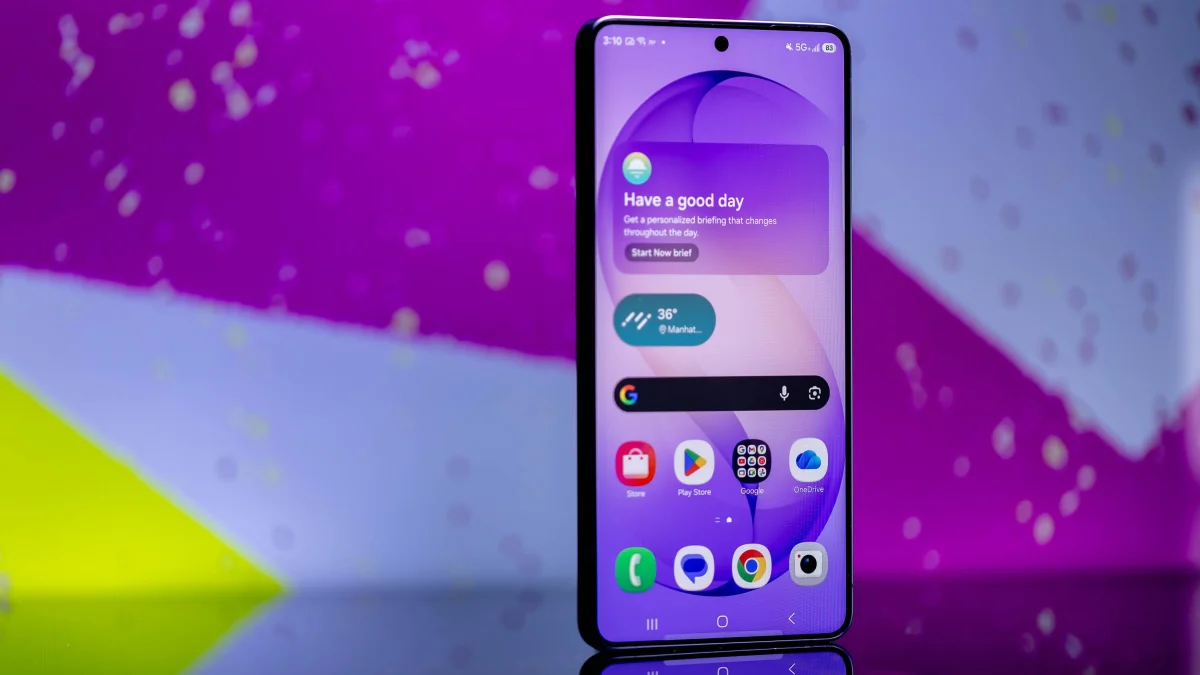
The latest changes to this 2026 phone guide are less about a wholesale reshuffle than about two specific Apple picks and a tougher buying calculation. In early October, the iPhone 18 Pro became the guide’s photography choice, and the iPhone 18 Pro Max took its battery-life spot. At the same time, new phone prices have risen across Apple, Google and Samsung, making the final price—and the conditions attached to a discount—more important than the sticker price alone.
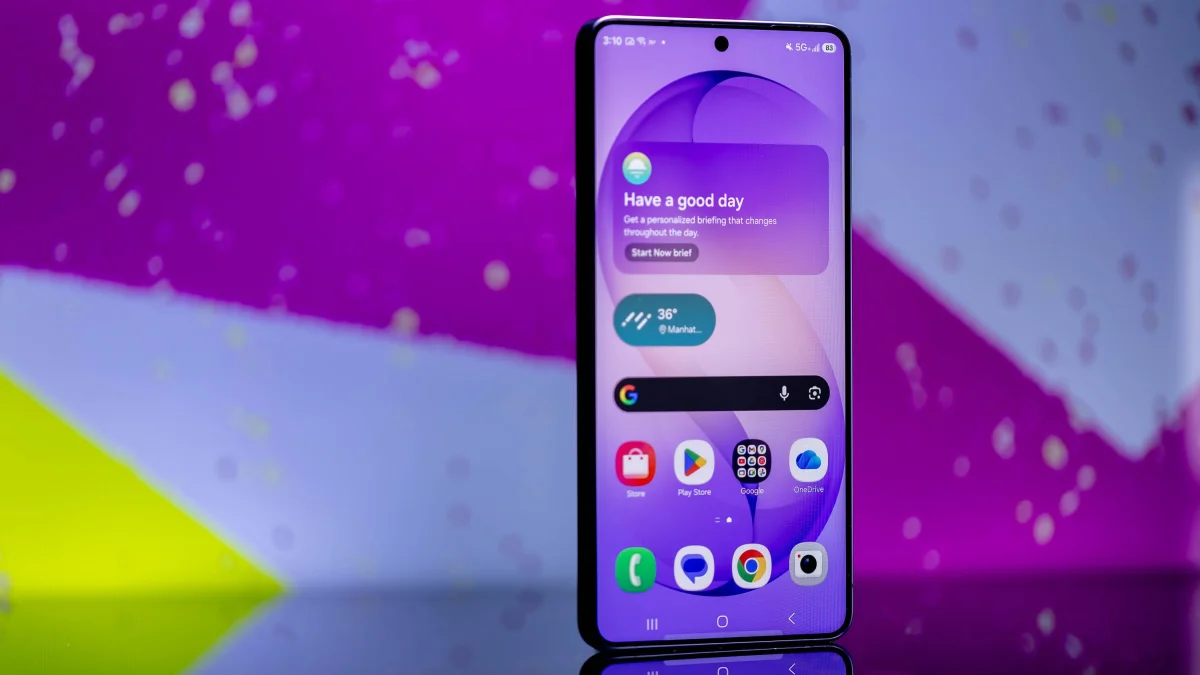
Two new Apple picks, with different strengths

The iPhone 18 Pro is now the guide’s preferred iPhone for photography. The iPhone 18 Pro Max, meanwhile, is the battery-life pick. Its stated rating reaches up to 45 hours of video playback on one charge, which the guide describes as the longest runtime among phones its reviewers have tried.
Those choices point to a practical distinction for buyers: the two models are being singled out for separate priorities, rather than presented as interchangeable upgrades. The Pro Max’s battery claim is a video-playback rating, not a promise that every user will get 45 hours in everyday use. Workloads, settings and connectivity can all affect how long a phone lasts, so the figure is most useful as a comparison point rather than a guarantee.
For photography buyers, the guide names the iPhone 18 Pro but doesn't provide camera specifications or a detailed comparison in this update. That leaves the pick useful as a starting point, not a substitute for checking the specific camera features that matter to a particular workflow.
Higher component costs are reaching phone buyers

The price pressure described here starts upstream. A shortage of RAM, attributed in the source to demand from AI data centers, has pushed up the cost of memory and SSD storage chips. Devices containing those components—including phones—are feeling the effects. The source calls this shortage “RAMageddon,” but the buyer-facing point is simpler: higher component costs can feed into higher launch prices, even when a new model's changes don't make it an automatic purchase.
Apple, Google and Samsung have all raised prices on new phones at launch, according to the source. The new Google Pixel 11 Pro starts $100 above last year's Pixel 10 Pro. Apple also raised prices on some older iPhones by $100 after the iPhone 18 Pro, iPhone 18 Pro Max and iPhone Duo announcements. Samsung raised prices on its S26 line by $100 to $200 as of Oct. 1.
The memory squeeze isn't described as limited to phones: the source also points to higher costs affecting laptops and gaming consoles. For someone choosing a phone, though, the immediate consequence is that comparing only launch prices may miss where a better deal is available. A previous-generation model, a trade-in offer or a carrier promotion could change the total cost substantially.
See the reported price increases tied to the memory shortage, as well as the coverage of laptops, gaming consoles, the price changes on some older iPhones and Samsung’s S26 price increases.
Discounts can come with strings attached
Trade-ins are one route to lowering the cost of an upgrade; the source says they can save several hundred dollars. Carrier offers may also reduce the upfront price, but the advertised amount needs to be weighed against the conditions. Some offers provide a phone’s cost back as monthly bill credits, contingent on adding a line or choosing a qualifying data plan. That can be a good fit for someone already planning to change plans, but it isn't the same as an unconditional discount.
The source gives the iPhone 18 Pro as an example: it can be free with eligible trade-ins and plans through AT&T and T-Mobile. Before choosing, compare the trade-in value, plan requirements and timing of bill credits with the cost of buying the phone outright. A “free” offer may not be the least expensive option if it requires a plan change that doesn't suit your needs.
The foldable iPhone is not in the guide yet
Apple’s iPhone Duo is its first foldable phone, but it hasn't gone on sale yet. Mashable’s Stan Schroeder had a short hands-on session with the device at Apple Park earlier this month. Preorders are due to start Oct. 16, with release set for Oct. 23. The guide says it will consider whether the Duo belongs among its top phones by the end of the month.
That timing matters: an early hands-on impression isn't the same as a full review based on extended use. Until the Duo is available for testing, its place among the year's recommendations remains an open question. Readers weighing it against the iPhone 18 Pro Max can consult the iPhone Duo versus iPhone 18 Pro Max comparison, alongside the details of the iPhone Duo reveal and Schroeder’s first impressions.
For now, the clearest buying signals are the Pro’s photography designation, the Pro Max’s unusually high stated playback rating and the higher prices across current phone lines. The iPhone Duo’s full review and the terms of any deal are the next details worth watching.
Why the iPhone Air isn't a top overall pick
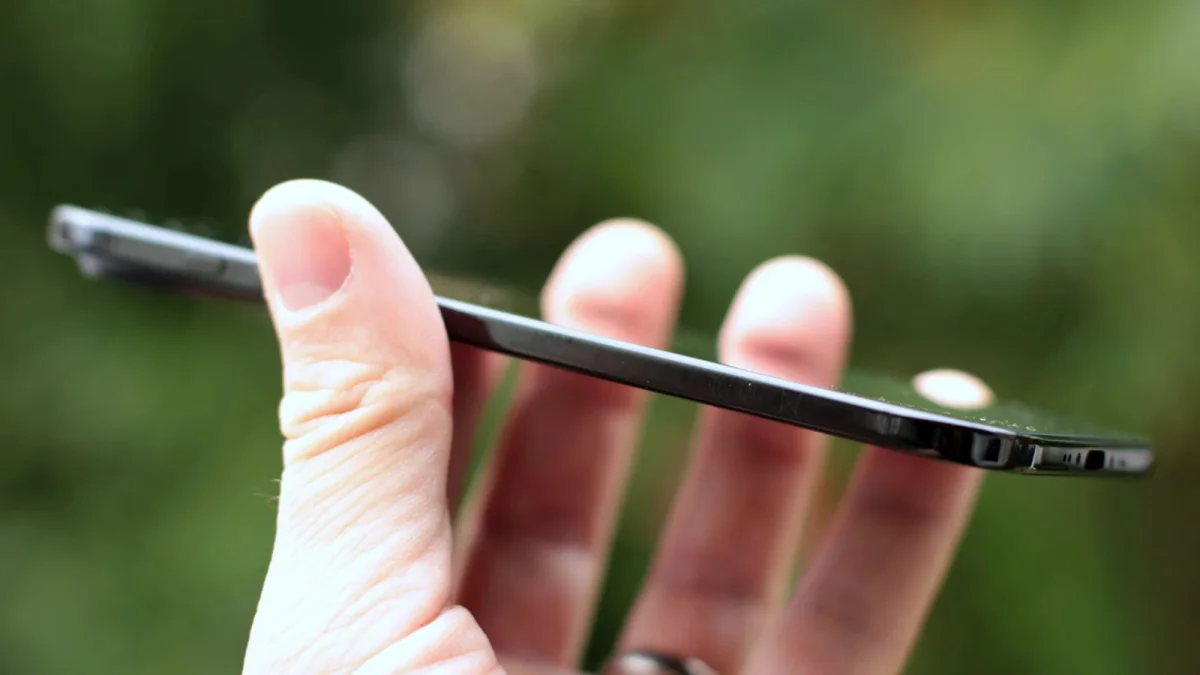
Apple released the iPhone Air in fall 2025. Its slim design is its main appeal, but the source says it has weaker battery life and cameras than the standard iPhone 17, despite using the same processor and costing $200 more. That trade-off helps explain why a striking design alone doesn't secure a recommendation as one of the best phones overall. Buyers interested in the thin form factor can read the iPhone Air review or consult the guide to the best iPhones.