Sample No. 0183
Smartphone Shipments Hit a 14-Year Low as Memory Costs Push Prices Higher
Counterpoint says smartphone shipments fell 20% in Q3 2026 as memory costs lifted retail prices and encouraged buyers to keep older phones longer.
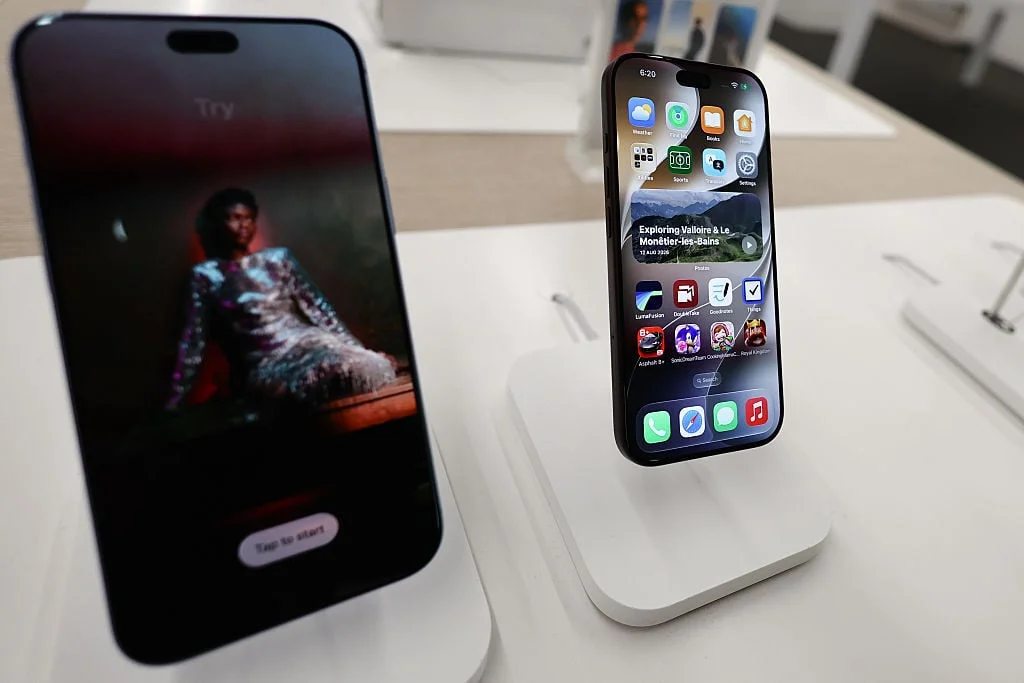
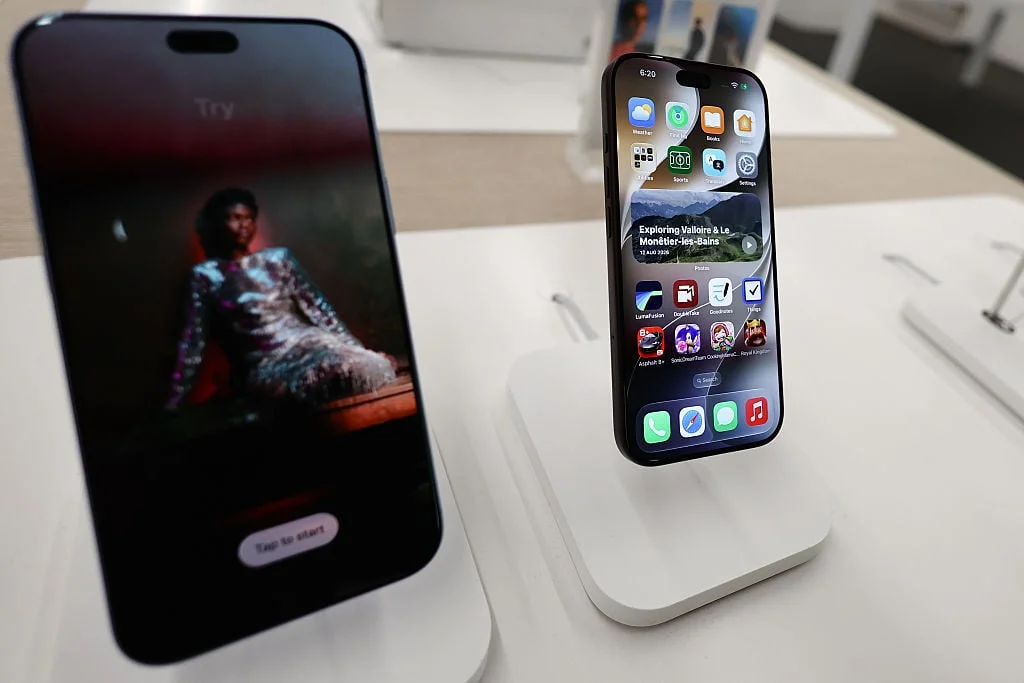
Rising memory costs are squeezing smartphone demand from two directions: manufacturers face higher component bills, while buyers encounter higher prices and hold on to their current devices. The result, according to market research firm Counterpoint, was a 20 percent year-over-year drop in global smartphone shipments in the third quarter of 2026, the lowest level recorded since 2012.
RAMageddon is the label attached to the wider run-up in memory prices, but the phone market figures point to a more specific effect: component costs can alter both how many devices manufacturers ship and what buyers choose to replace. Counterpoint says persistent increases in memory prices significantly disrupted shipments from makers including Samsung and Apple.
Higher costs are changing replacement decisions
Counterpoint puts the increase in smartphone retail prices at 20 percent in 2026. When devices become more expensive, replacing a working phone can be easier to postpone, particularly for buyers who don't see enough benefit in a new model to justify the added cost. The report says consumers are keeping older phones for longer, a shift that can reduce shipments even when people still rely on smartphones every day.
That behavior has a second effect: shoppers may focus more on the premium end of the market even as they delay replacing a device. Counterpoint says buyers are prioritizing high-end phones more than they might otherwise. That doesn't mean demand is uniformly strong; the shipment decline shows the market is under pressure. Rather, it suggests that people who do make a purchase may be weighing the value of a longer-lasting or more capable device against the higher upfront price.
Memory is one component among many in a phone, but cost increases can ripple through a product line. A manufacturer must decide whether to absorb the additional expense, pass some of it on through retail pricing, or adjust what it offers at different price points. Counterpoint's figures describe the outcome it sees in shipments and prices, but don't specify how much of each company's cost increase reached buyers or how individual product plans changed.
For shoppers, the practical calculation is therefore less about the market-wide shipment figure and more about the condition of the phone they already own, the price of a replacement, and the features that replacement would add. Keeping a device longer can make financial sense when it continues to meet a buyer's needs. For manufacturers, the challenge is to make upgrades compelling enough to overcome both higher prices and a longer replacement cycle.
Samsung and Apple show different patterns
Samsung's market share rose to 23 percent, Counterpoint says. The firm links that performance to steady demand for the mid-range Galaxy A series and strong interest in premium models such as the Galaxy Z Fold 8. The mix matters: demand across more than one price tier may help a manufacturer maintain its position when buyers are balancing cost against features.
Apple also gained market share, even as its shipments fell 22 percent year over year. Those two measures can move in different directions: a company's portion of the market can grow while its own shipment total declines if the wider market contracts more sharply. Counterpoint suggests Apple's result may also reflect its September lineup, which lacked a base iPhone 18 model. The company is widely expected to introduce that phone in early 2027, but the source does not establish how much of Apple's shipment decline came from that timing rather than pricing or broader demand.
The distinction is useful for reading the figures: market share alone doesn't show whether a company is shipping more phones, and shipment totals alone don't explain why buyers chose one brand over another. In this case, Samsung's reported share gain sits alongside a steep decline across the market, while Apple's share gain coincides with a larger drop in its shipments.
What to watch next
The next useful signal will be whether shipment weakness persists as memory prices feed into device costs, and whether the arrival of Apple's base iPhone 18 changes its shipment trend. For Samsung, the balance between Galaxy A-series demand and interest in premium models will help show whether its recent share gain can hold under the same cost pressure.
Counterpoint's report offers a clear snapshot, but not enough detail to separate the effect of memory costs from other causes of delayed upgrades. Even so, the combination of a 20 percent shipment decline and higher retail prices makes the near-term trade-off plain: manufacturers need to manage component costs without making upgrades less attractive, while buyers have more reason to stretch the life of the phones they already own.