Sample No. 0182
iPhone Duo Preorders: Pricing, Delivery Delays, Deals and Repair Costs
Apple’s first foldable starts at $1,999, but early stock is scarce. Here’s what buyers should know about delivery, discounts, repairs and hardware.
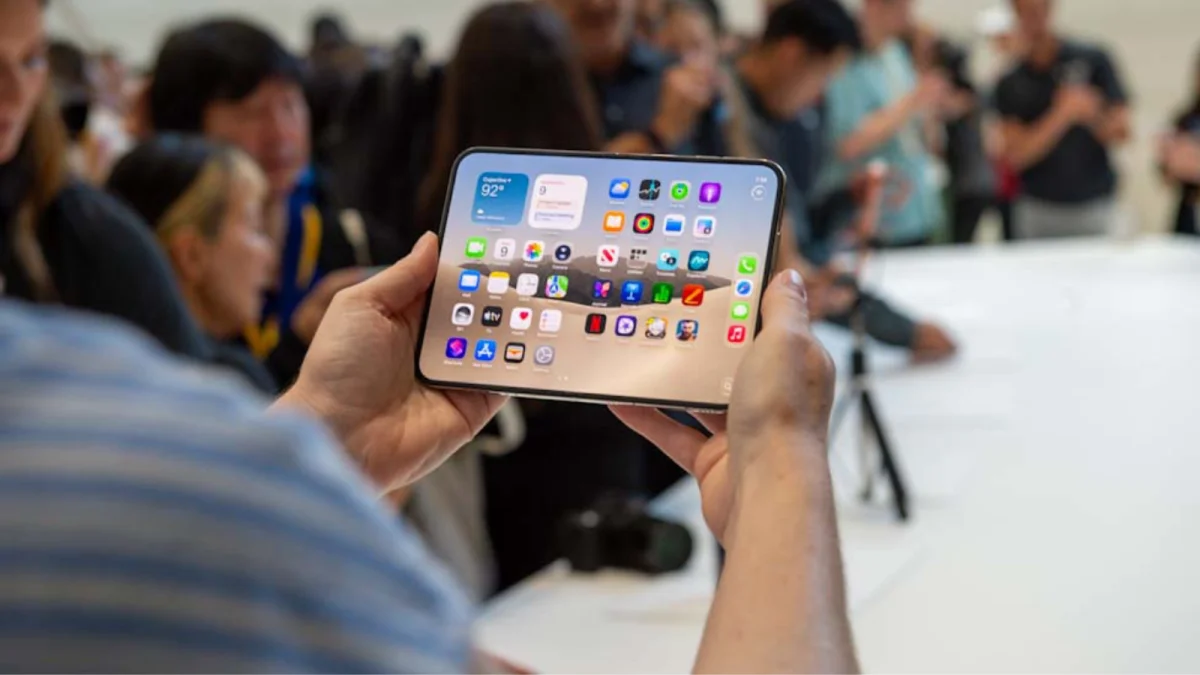
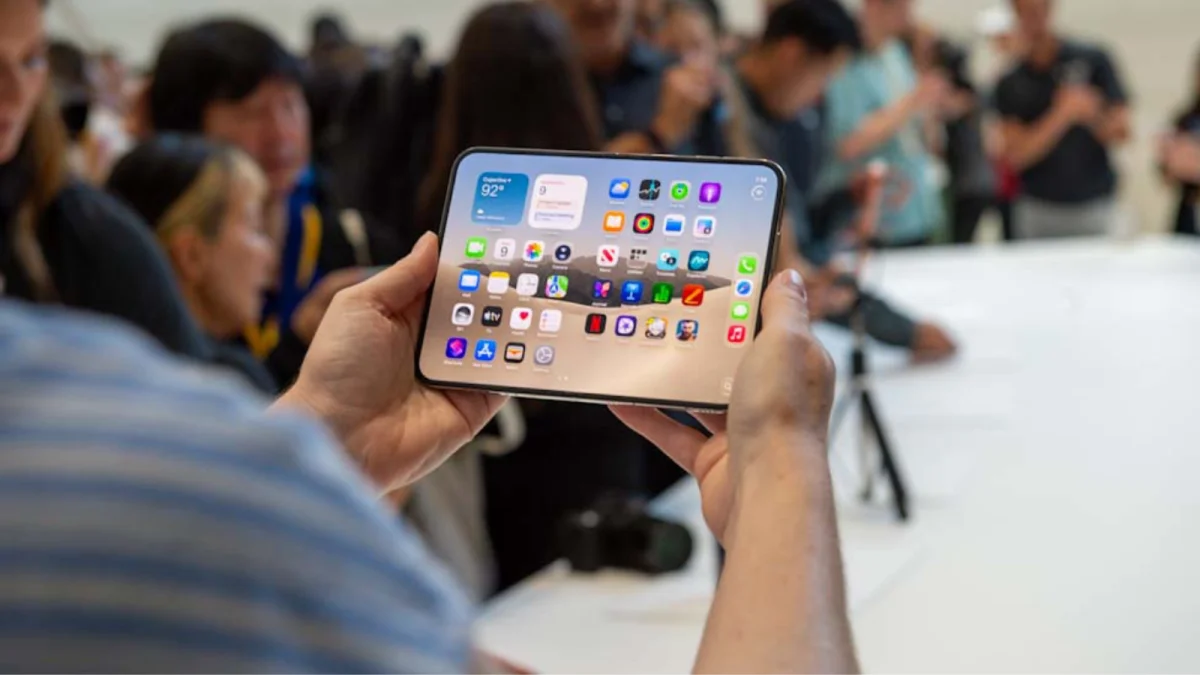

Apple’s first foldable is now available to preorder, but the main buying decision isn’t just whether its new screen design appeals: it’s whether you’re willing to pay a high entry price, accept a potentially long wait, and account for expensive repairs. The iPhone Duo goes on sale Oct. 23, and Apple’s first preorder supply was quickly snapped up.
The Duo has a passport-style folding design, a nano-texture inner display, a hidden selfie camera and Apple’s A20 Pro chip. Its hinge includes a flexible graphite pipe intended to help manage heat. Mashable senior editor Stan Schroeder tried the device at Apple Park and said it “works amazingly well.” That early impression is useful, but full reviews aren’t available yet, so buyers should treat hands-on reactions as preliminary.
What it costs—and what discounts require
The 256GB model starts at $1,999. Apple also sells a 512GB version for $2,199 and a 1TB model for $2,599. At the top of the range, the 2TB Duo costs $3,199, matching the price of a 14-inch MacBook Pro with an M5 Pro chip and 2TB of storage.
The highest-capacity model makes the Duo an unusually expensive phone even before accessories or protection. Carrier offers can reduce the effective price, but the biggest advertised savings aren’t unconditional: they typically depend on a qualifying trade-in, a premium wireless plan, or both.
AT&T, T-Mobile and Xfinity Mobile advertise savings of up to $1,200 in monthly bill credits. With the full discount, the base model could cost $799 over the offer period. Apple offers between $175 and $885 in trade-in credits for an iPhone 13 or newer, and its Klarna-backed Upgrade program lists leasing from $57.99 per month for 24 months.
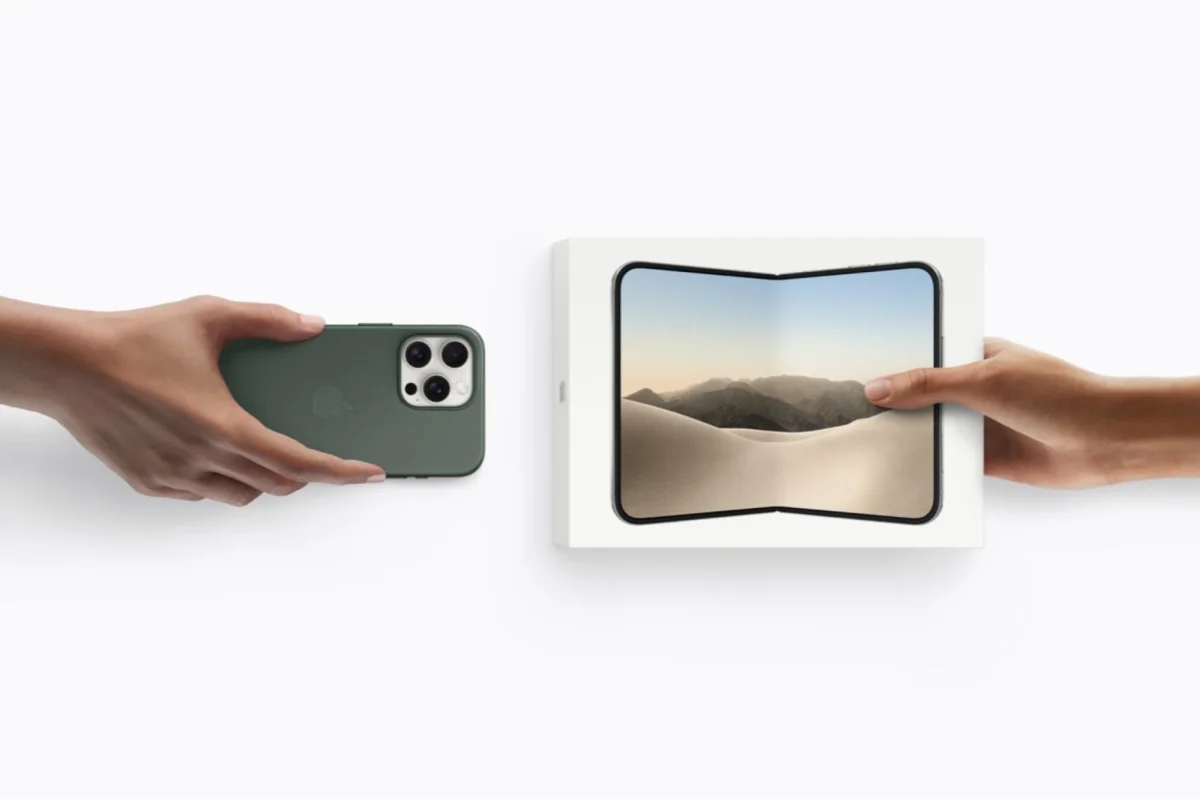
Apple trade-in: $175 to $885 in credits for an iPhone 13 or newer.
Apple Upgrade program: Lease from $57.99 a month for 24 months.
AT&T: Up to $1,200 off with a trade-in valued at $230 or more and an Elite 2.0 or Premium 2.0 plan. Switching customers may qualify for a Visa Reward card worth up to $800; online signup brings another $200 off.
T-Mobile: Up to $1,000 off with a trade-in and Experience Beyond plan, or with a new line and number transfer on that plan. Some switchers may also qualify for a prepaid Mastercard worth up to $800.
Xfinity Mobile: Up to $1,000 off with an eligible trade-in and new Mobile Plus line.
Verizon through Apple: Up to $840 off with an eligible trade-in in any condition.
Read each offer’s conditions before comparing prices. Bill credits arrive over time, and plan requirements can change the total cost of ownership. The carrier’s “up to” figure isn’t necessarily the discount every buyer will receive.
Preorder timing and availability
Preorders opened at 8 a.m. ET (5 a.m. PT) on Friday, Oct. 16. The first batch from Apple sold out quickly, with Apple delivery estimates pushed to January. AT&T, T-Mobile and Verizon were showing November-to-December delivery windows at the time of writing. Apple reportedly raised Duo production by 30 percent in response to expected demand, but that hasn’t prevented delays.
The launch date is Friday, Oct. 23. A preorder that missed the initial allocation may therefore mean waiting weeks or months; displayed delivery estimates could improve, but there’s no assurance they will. Bloomberg reporter Mark Gurman also reported that customers purchasing in person at an Apple Store can personalize the startup screen with their name.
Design, controls and early impressions
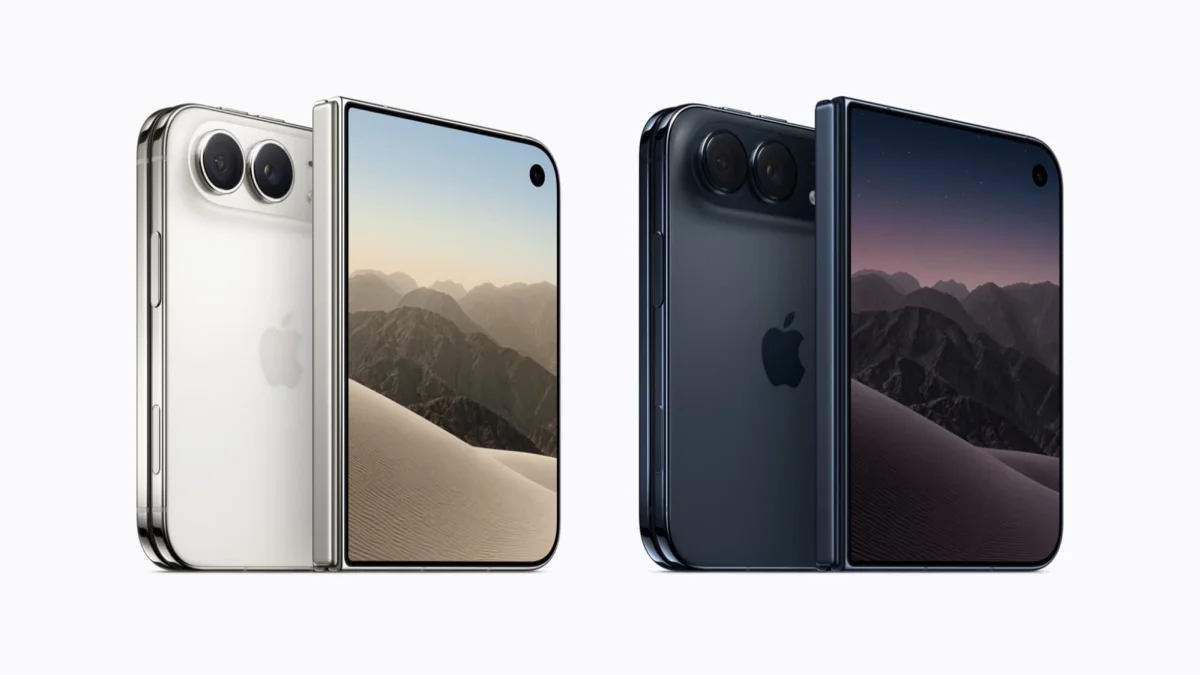
The Duo comes in star white and night sky, a dark blue-black shade. Cases are one way to add color, and they may also help with grip: early hands-on accounts describe the polished edges as slippery. A reported shorter, broader shape than some Android foldables may make the phone easier to carry and useful for watching long-form video.
Reviewers have praised the hinge and the inner screen’s crease, which CNET’s Abrar Al-Heeti said nearly disappears while the display is on. She also noted that users may need time to adjust to the volume buttons’ position in landscape orientation. PCMag’s Eric Zeman liked the hardware and found multitasking straightforward, though he thought the matte display finish reduced some of the screen’s brilliance. ZDNet’s Kerry Wan was enthusiastic about iOS 27 and the creative possibilities it enables, but said his quick camera tests looked weaker than expected. Those are early observations, not full review findings.
The Duo lacks Face ID. Instead, Touch ID sits in the side button. That may be a practical compromise for a foldable, but at this price the missing facial recognition is a notable change from other high-end iPhones. The device does support MagSafe wireless charging, and Wan said the camera plateau leaves room for MagSafe accessories.
Repair costs deserve attention
The inner display is the biggest financial risk if the phone is damaged outside coverage: Apple estimates a $999 repair without AppleCare+. With AppleCare+, that service costs $99. AppleCare+ is priced at $19.99 per month or $199.99 per year.
Without AppleCare+: battery service, $229; cover-layer damage, $49; back glass, $199; outer display, $379; outer display and back glass, $509; inner display, $999; rear camera, $229; other damage, $1,499.
With AppleCare+: battery service, $0; cover layer, $19; back glass or outer display, $29; inner display, $99; other accidental damage, $99; theft or loss, $149.
The first foldable may suit buyers who value a larger screen in a folding phone and are comfortable with the price and repair exposure. For everyone else, waiting for full reviews—and for delivery estimates to settle—looks like the more measured move.