Sample No. 0178
iPhone Duo Specs: 4,883 mAh Battery and 5 Mohs Screen Rating
Apple’s disclosures confirm the foldable’s battery capacity and screen scratch rating, while leaving real-world battery life and durability untested.
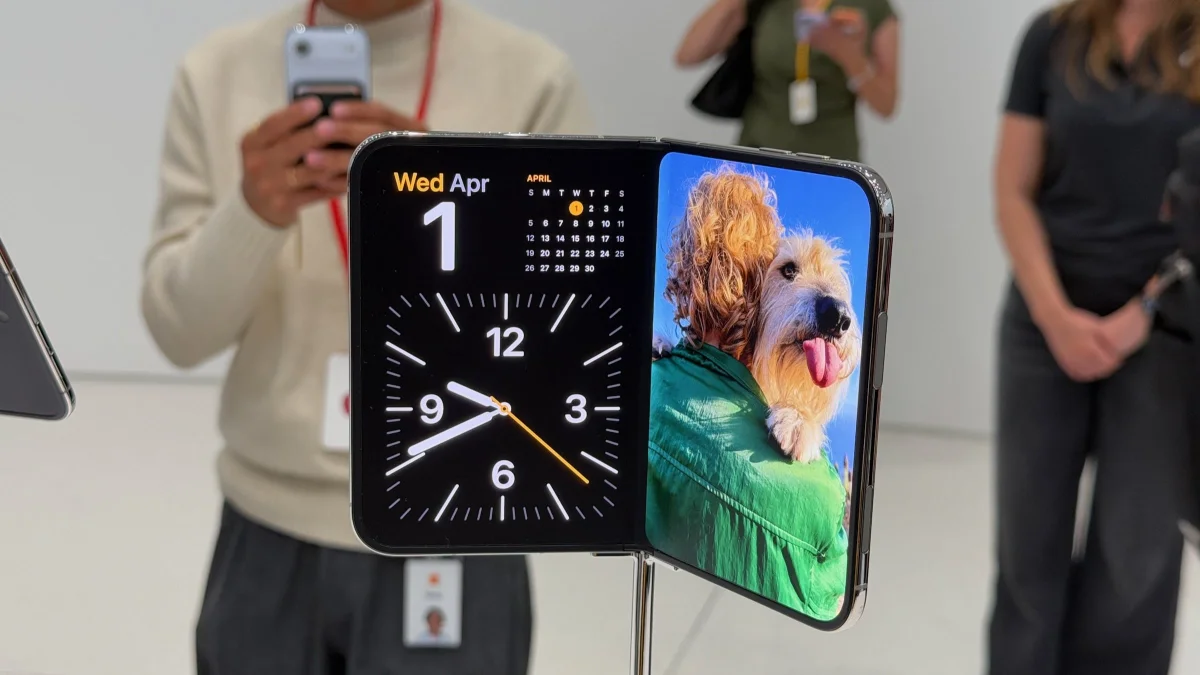
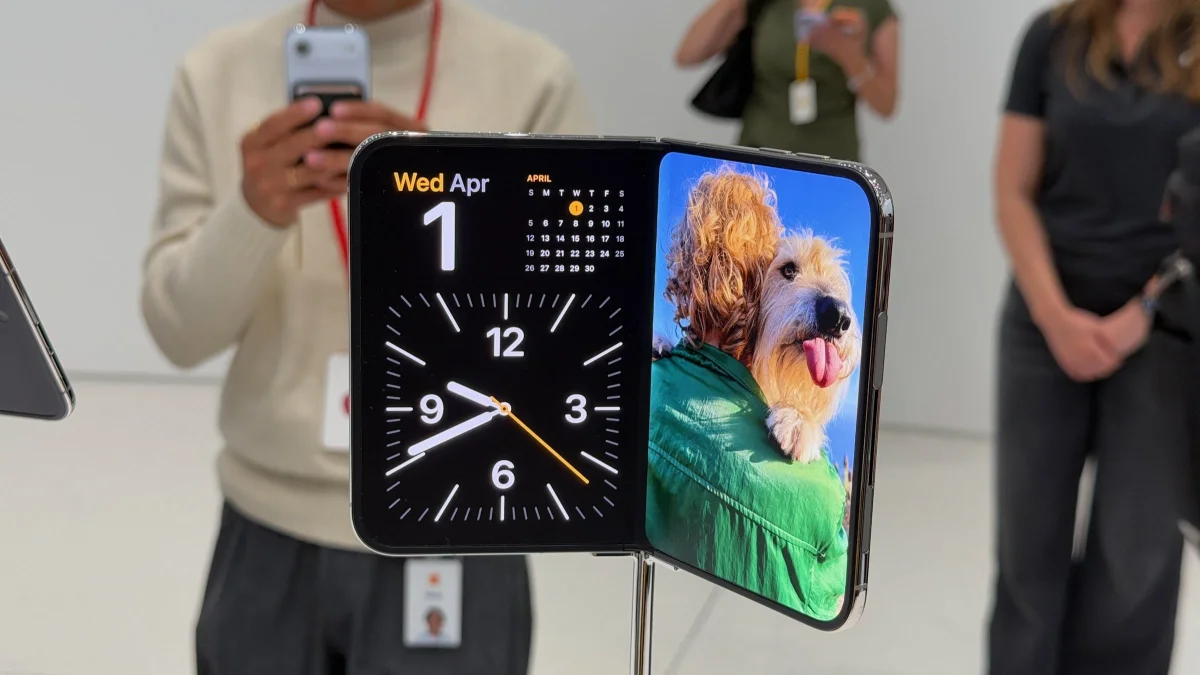
The iPhone Duo’s newly confirmed specifications answer two practical questions about Apple’s first foldable: how much battery capacity it carries and how its screen rates for scratch resistance. Apple’s EU energy label lists a 4,883 mAh battery, while a separate disclosure gives the display a 5 Mohs scratch resistance rating. Those figures sharpen the hardware picture, but they don’t establish how long the phone will last between charges or how well its screen will hold up in everyday use.
The device is nearing launch, and availability appears tight: it has already been reported as backordered until January. The new details come from Apple’s published energy label, which provides a documented capacity figure where earlier reports had relied on leaks.
Two cells add up to 4,883 mAh
Apple lists the iPhone Duo’s battery at 4,883 mAh. That total matches earlier reports describing a two-cell design: one cell rated at 2,962 mAh and another at 1,921 mAh. Add them together and the result is the capacity Apple now identifies for the phone.
A two-cell arrangement is a useful detail for understanding the foldable’s internal design, but the capacity figure alone can’t settle whether the phone will have strong battery life. Milliamp-hours measure charge capacity; they don’t account for how much power the display, processor, radios, and software use. Foldable phones also have a larger display area to serve when opened, so actual endurance will depend on how the hardware and software manage power across different ways of using the device.
That makes the number a point of comparison, not a battery-life result. Apple hasn’t supplied runtime figures in the details reported here, and there’s no like-for-like test data in the source to show how the Duo performs under a common workload. Buyers will need independent use over time to judge whether the battery comfortably covers a day and how quickly capacity falls during demanding tasks.
The reported capacity is larger than that of the iPhone Duo’s closest foldable competitors, the Samsung Galaxy Z Fold 8 and Google Pixel 11 Pro Fold. That comparison points to a larger battery capacity on paper; it doesn’t establish which phone lasts longest. Differences in display behavior, software, and power use can matter as much as the battery’s rated capacity.
One SIM configuration worldwide
The disclosures also clarify that the iPhone Duo is eSIM-only worldwide, with no version that includes a physical SIM tray. Apple’s reported battery capacity should therefore be the same across regions. The source notes that a physical SIM tray could otherwise affect the space available inside a phone, but it doesn’t provide dimensions or describe how Apple allocated the space freed by leaving the tray out.
For buyers, the practical consequence is straightforward: the Duo won’t accept a removable SIM card. Anyone considering a switch should check that their carrier supports eSIM activation and that their preferred setup works with an eSIM-only phone. This compatibility question may matter more in the short term than regional differences in battery size, since the reported capacity is shared worldwide.
What a 5 Mohs rating tells you
Apple’s disclosure puts the screen’s scratch resistance at 5 on the Mohs hardness scale. The source describes that rating as meaning that objects such as a knife or glass can scratch the screen only with difficulty. It offers a common reference point for surface hardness, but it isn’t a guarantee against marks from every object a phone might encounter.
Scratch resistance is also only one part of screen durability. The rating doesn’t report how the display handles impacts, repeated folding, pressure, or wear around the hinge. Those questions are especially relevant for a foldable, where the display bends during normal use. The newly published figure provides a baseline for surface scratching; it doesn’t replace hands-on testing of the complete device.
Apple’s first foldable is set to arrive Friday, Oct. 23. Those who missed the preorder window may have to wait for stock. For now, the useful takeaways are a confirmed 4,883 mAh capacity, the same reported battery size worldwide, and a 5 Mohs screen rating. Real-world battery endurance, scratch performance, and the wear of the folding display remain the questions to watch as more people get the phone.
For more phone comparisons, see Mashable’s picks for the best phones of 2026.
Want more tech and digital culture news delivered to your inbox or device? Visit Mashable’s newsletter page or learn how to get push alerts.
===