Sample No. 0228
Apple’s Creator Events Show How Tech Brands Are Competing for Trust
Apple’s paid Los Angeles event fits a wider creator strategy, where access and hospitality bring reach but can also test audience trust.
Apple’s upcoming “Pro and Tell” event signals how much the economics of product launches have shifted. An invitation once carried its own cachet; now Apple is reportedly covering business-class travel and hotel stays for creators, and arranging time with its senior executives. The effort reflects a wider competition among tech companies to reach audiences through people they already follow.
On the Oct. 15 episode of Bloomberg’s Power On podcast, Mark Gurman said Apple would provide those travel and lodging benefits to creators attending its Oct. 28 product experience in Los Angeles. The schedule is expected to include dinner on Oct. 27 and meetings with new Apple CEO John Ternus and other executives. Gurman described the gathering as creator-focused and said Apple’s approach fits practices already used by competitors.
That makes the more revealing detail the need to make the invitation attractive. “There was a time...people were begging to go,” Gurman said. “It’s not the other way around, typically.” For a company whose launch events have long drawn intense attention, covering travel suggests that access alone may not secure the creator participation brands want.
From product access to creator programming
Apple has been building these relationships for several years. In March 2025, it brought student creators to Los Angeles for a one-day gathering they nicknamed “Apple Campus” or “Apple University.” Heaven Marley, one of the attendees, told People she initially thought the invitation email was spam. In January, Apple held another Los Angeles “Apple Experience,” running Jan. 27 to 29 alongside the launch of Apple Creator Studio, a subscription that bundles software for video editing, music production and image work.
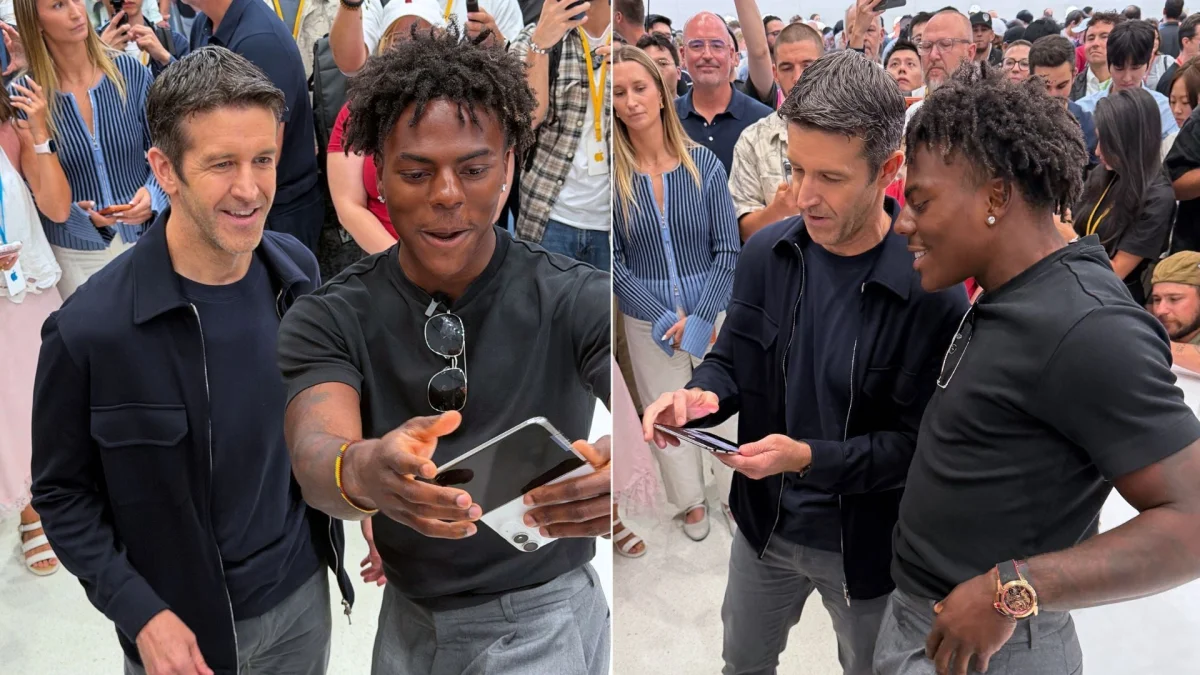
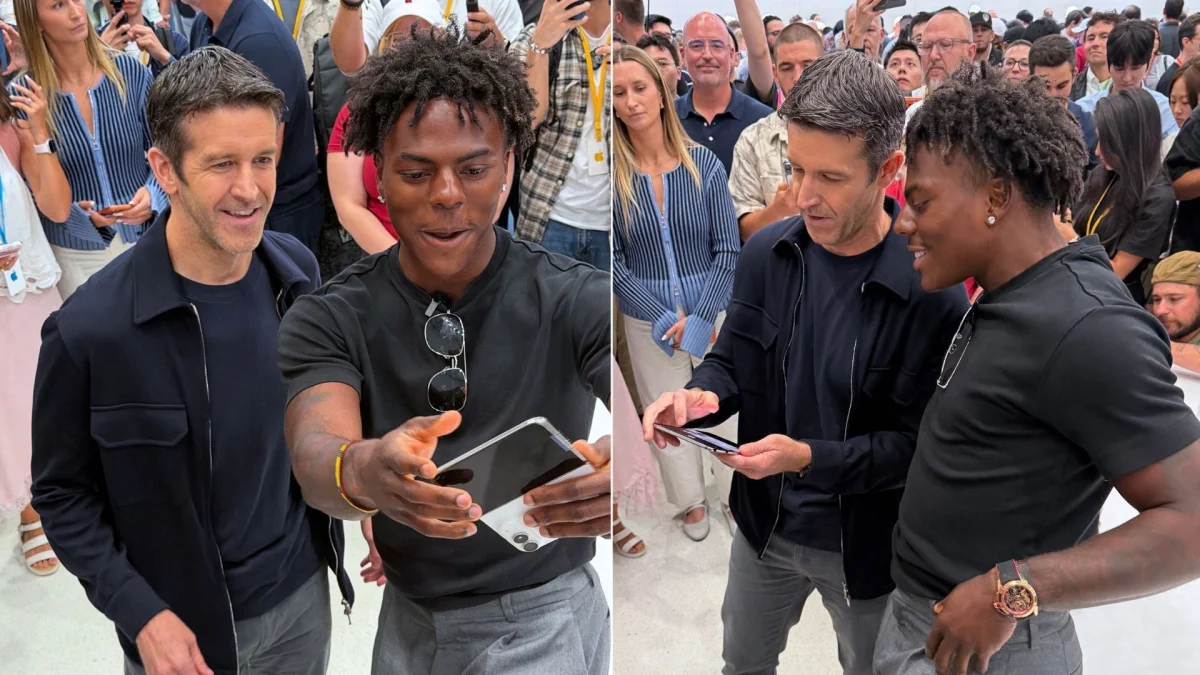
The company has also brought creators into the spectacle of its product launches. At September’s iPhone event, livestreamer IShowSpeed performed a backflip while holding an iPhone Duo in front of Ternus. By Oct. 22, his video had passed 6 million YouTube views. MrBeast attended the previous year’s event with then-CEO Tim Cook. Those appearances put products in creator content that can travel well beyond the audience watching a launch presentation.
Apple isn’t alone in paying for the setting around a product demonstration. Bloomberg’s Chris Welch said Samsung and Google also cover travel and hotels and host dinners for creators, describing the practice as standard. The difference is less the hospitality itself than what a brand hopes to gain from it: product exposure, creator relationships and a chance to shape how an audience first encounters a device or service.
Reach comes with a credibility tradeoff
There’s a clear commercial rationale. Deloitte reported in September that about 70 percent of U.S. consumers who regularly engage with creators return to the same ones. Roughly 60 percent said they had made a purchase primarily because of a creator’s recommendation or sponsorship in the previous six months. A trusted creator can carry a product pitch into a relationship that a company’s own channels don’t have.
But that trust is also what makes the arrangement delicate. On MacBreak Weekly, journalist Jason Snell argued that creators can give companies more control over their message, repeating promotional points without questioning them as a journalist might. Tech reviewer Ben Sin said he understood Apple’s strategy but was disappointed by what he saw as a turn toward lifestyle creators and away from tech specialists.
That tension is especially visible in artificial intelligence marketing. Companies are trying to introduce products while many people have questions about effects on jobs, creative work and the environment. Anthropic’s influencer lead, Lexie Barnhorn, described the goal as building “brand love.” Claude has hosted a supper club at Wild Cherry, a restaurant inside New York’s Cherry Lane Theatre.
Microsoft Copilot has appeared in creator content too. Last February, Microsoft took New York fashion influencers to the Super Bowl, where they filmed themselves asking Copilot everyday questions, including how to handle a hangover or remove a stain. OpenAI has invested in creator outreach through events and hiring, including appointing former Instagram partnerships executive Charles Porch to lead global creative partnerships. The company later hosted creators at a Hudson Valley retreat and held a ChatGPT dinner with Brett Chody at Little Beach House Malibu.
OpenAI told Inc in August that creators help people learn about its products, and said it values those who attend events, ask tough questions and learn alongside others. The Hudson Valley retreat, however, drew criticism from social media users who questioned the contrast between a nature-centered getaway and the environmental effects associated with AI infrastructure. The response shows how quickly an event meant to build goodwill can become a test of whether a brand’s presentation fits the concerns surrounding its technology.
Creators weigh access, income and audience response
Creators have their own reasons to attend. Business creator Grace McCarrick defended the OpenAI retreat as a chance to hear directly from people shaping technology that could affect her work and audience. “If I have the opportunity to be in the room and hear from people who are at the helm of change, I can do that,” she said. “It’s actually well within my moral system.”
Money also matters. AI and career creator Megan Lieu told CNBC that her largest sponsorship at the time was with Anthropic. She didn’t disclose its value, but said her sponsored deals generally ranged from $5,000 to $30,000. Others decline. Circus performer Jack Lepiarz, known as Jack the Whipper, told CNBC he turned down a $20,000 offer to promote generative image tools because he was concerned about the effects on people’s livelihoods.
That leaves creators balancing access and income against the audience relationship that makes them useful to brands. For tech companies, creator events offer a direct path to attention and a more controlled product story. The harder question is whether audiences will continue to trust that story when the creator’s access, compensation or the technology itself becomes part of the conversation.