Sample No. 0196
Samsung Galaxy S26 Prices Rise by $100, Putting More Pressure on Flagship Value
Samsung raised most Galaxy S26 prices by $100, with a $200 increase for the 1TB Ultra. The FE stays at $699, and some retailer deals remain.
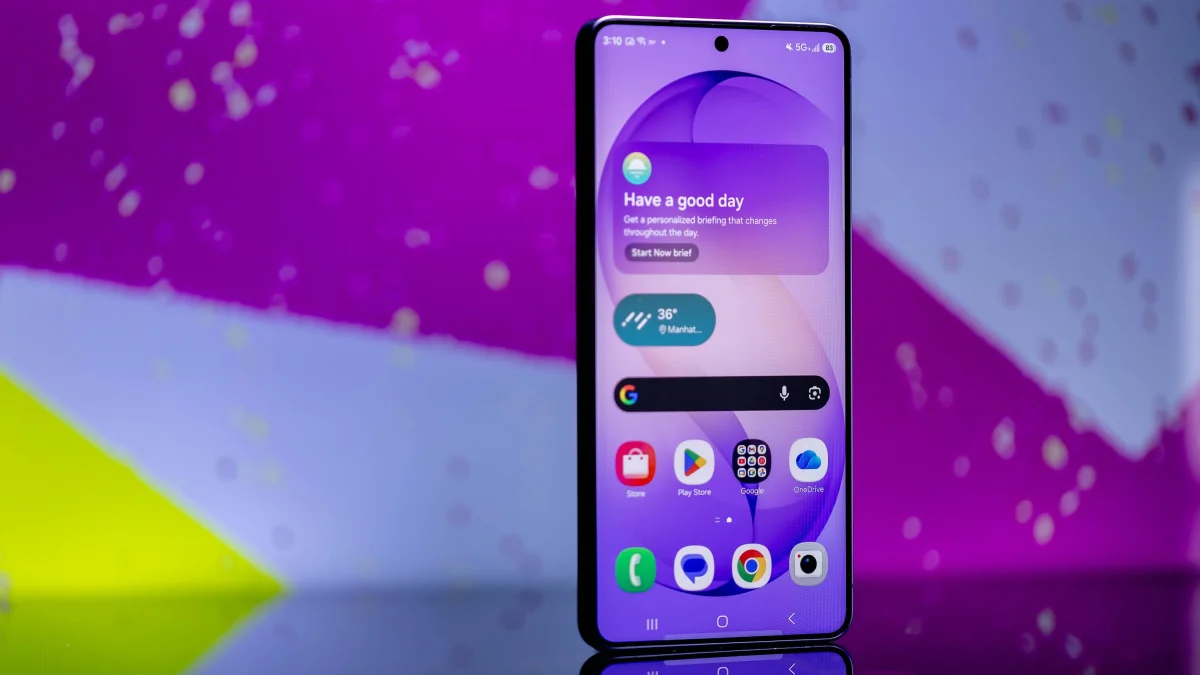
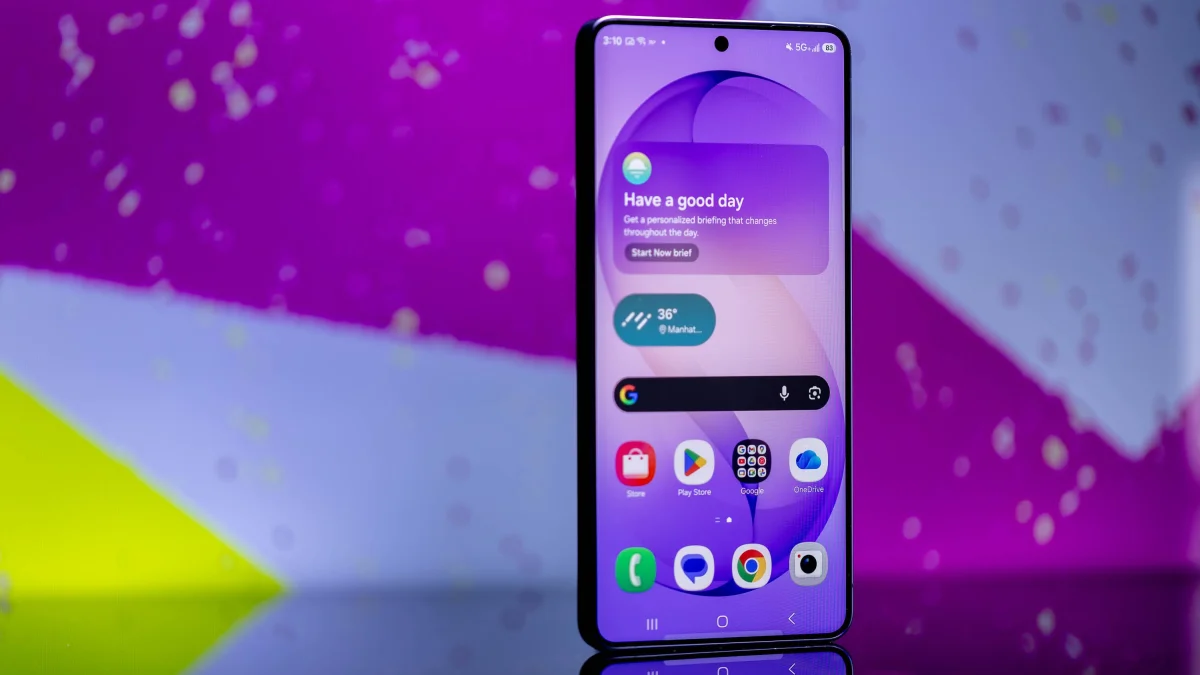
Samsung’s Galaxy S26 family has become more expensive months after launch, changing the value calculation for buyers who were already facing higher starting prices on two models. The U.S. increases, first noticed by PhoneArena on Oct. 1, add $100 to most configurations. The 1TB Galaxy S26 Ultra went up by $200.
That timing matters. Samsung released the S26 in March, opening a new phone season in which memory costs have become a wider concern for device makers. The price change also follows increases documented across products from Apple, Acer, Google, HP, Motorola, Lenovo, Nintendo, Sony and Xbox.
New prices raise the bar for the S26 line
The listed U.S. prices for the 256GB models are now $999.99 for the Galaxy S26, $1,199.99 for the S26 Plus and $1,399.99 for the S26 Ultra. Other storage options vary, but the broad change is a $100 increase across the family, with the 1TB Ultra the larger exception.
The S26 and S26 Plus had already launched at higher prices than their S25 counterparts. A further increase means buyers comparing generations need to weigh the new phone’s features against a higher entry point, rather than treating the S26 as a straightforward replacement at the previous price. The source does not detail changes to hardware or performance that would explain the adjustment, so the price rise alone offers no new reason to upgrade.
Samsung’s stated context in the source is a shortage of memory components, which are used in smartphones as well as laptops, consoles and other electronics. The article links that squeeze to large-scale spending on AI infrastructure. Memory supply affects manufacturers because these parts are inputs to devices; when they are scarce, costs can put pressure on product pricing. The source gives no component cost breakdown or Samsung explanation for how much of this particular increase reflects memory, however. The connection is useful context, but it doesn’t establish the precise cause of each model’s new price.
For buyers, the practical question is the price they can actually secure. Retail prices may change while older inventory remains available, and carrier offers can make the upfront cost differ from the listed price. Those offers may depend on switching service, trading in a device or choosing a particular plan, so the headline discount alone may not show the full cost over time.
The FE and retailer offers offer alternatives
The Galaxy S26 FE is unaffected. Samsung announced it on Sept. 3, and it remains available for preorder from $699, with release set for Oct. 5. That lower starting price gives shoppers a separate option within the S26 family, though the source doesn’t provide enough specification detail to compare its performance or features directly with the flagship models.
Some S26 deals also remain available. Amazon is offering the white Galaxy S26 Ultra at more than $100 off, enough to offset the general increase described in the source. Select colors of the base S26 are also listed at their original price. These offers are tied to particular listings and colors, so buyers should check the configuration and current price before comparing them with Samsung’s new figures.
Carrier promotions may reduce the purchase price further. Verizon and T-Mobile may offer as much as $1,000 off new phones under qualifying conditions, such as a service switch, trade-in or plan selection. The maximum advertised saving shouldn’t be treated as a guaranteed discount for every customer; eligibility and terms determine what a specific buyer pays.
For anyone choosing among the S26 models, the sensible comparison is the final cost for the storage and color they want, including any conditions attached to a carrier deal. The FE’s unchanged $699 starting price gives the family a lower-cost point of entry, while discounts can bring selected flagship configurations closer to their earlier pricing. The next thing to watch is whether these offers persist and whether higher memory costs lead to further price changes.