Sample No. 0109
Last Ditch Bar’s Mask Policy Change Sparks a Viral Debate Over Queer Spaces
A Massachusetts bar’s shift to maskless Saturday events triggered a local dispute that spread online, raising questions about community, access and viral attention.
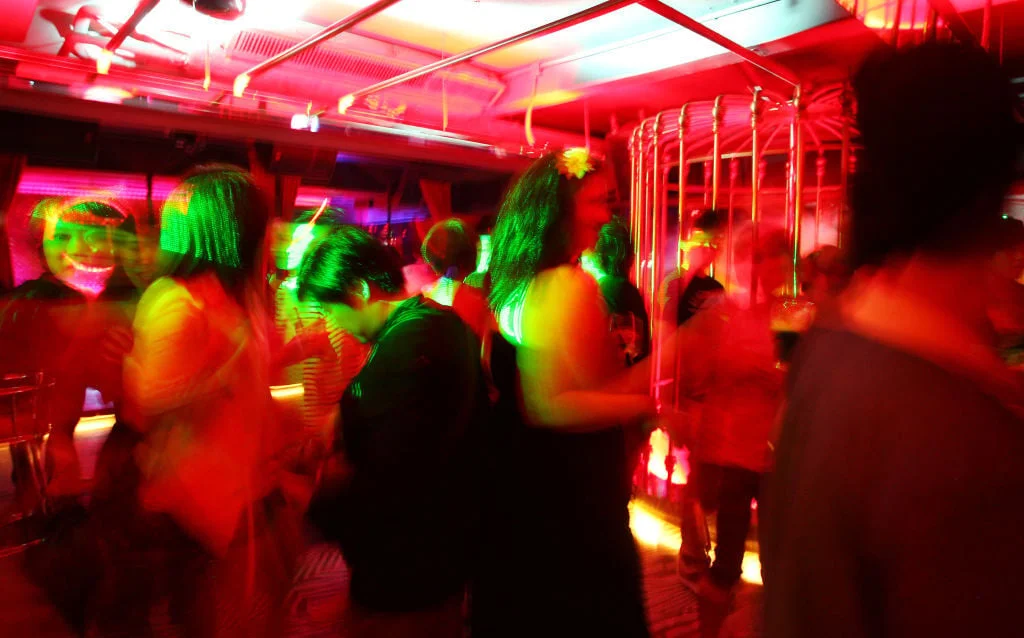
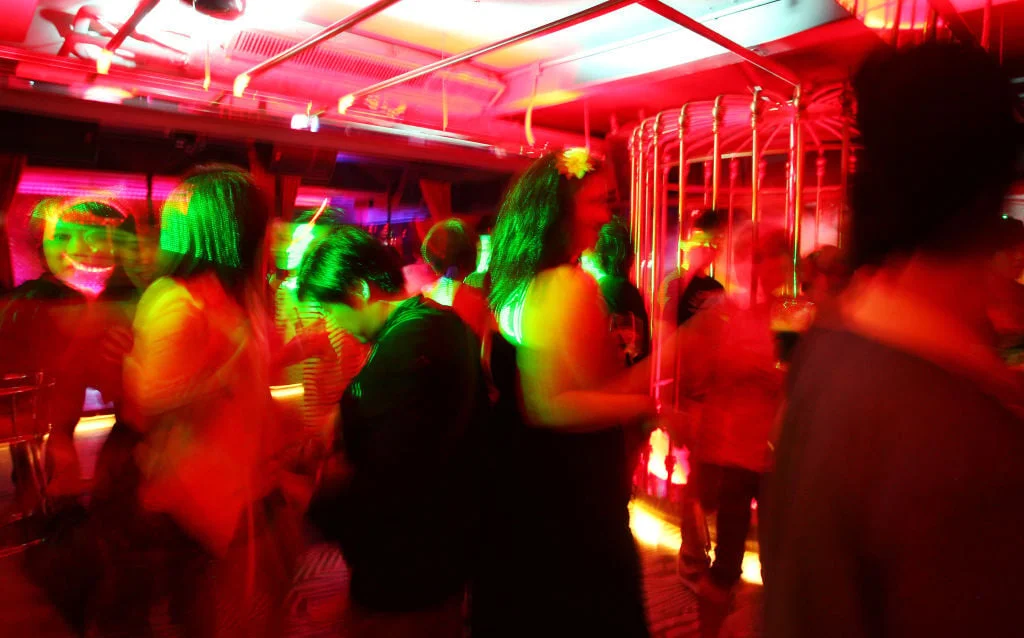
A policy update at a small Massachusetts bar became a viral story about the strain of keeping a community space together when its members disagree about access and safety. Last Ditch Bar and Arts Venue, a lesbian bar in Greenfield, found itself at the center of that dispute after it said some Saturday events would allow maskless customers. The ensuing argument drew local attention, online ridicule and a wider audience for the venue’s conflicts.
Greenfield has about 17,000 residents, but the debate reached far beyond the town after The Boston Globe published a feature of more than 1,500 words. The story’s detailed account of apologies, retractions, meetings and social media clashes gave readers plenty to discuss. Within a day, posts were comparing its online afterlife to the viral debates around “Cat Person” and “Bad Art Friend.”
That scale of attention is striking for a venue that began as a local gathering place. The Lesbian Bar Project lists Last Ditch among 36 lesbian bars in the United States. Lesbian bars have been dwindling for years, and venues that remain face the work of sustaining a place where people can meet in person. That work became harder during the pandemic and amid a wider decline in socializing at bars and clubs.
A post on Last Ditch’s Instagram set the conflict in motion. On Aug. 31, the venue explained that it was changing its mask rules. Previously, KN-95 masks had been required at all times. The revised approach would include more events without a mask requirement, beginning with Saturday nights.
The response from some former customers was furious. Commenters accused the bar of ableism and racism, and some called for violence. Critics described the change as a “mass disabling event” and a “eugenicist” attack. One commenter wrote, “People like you kill disabled people in the name of your own leisure and convenience.” The language conveyed the depth of the stakes for people who saw masking as part of what made the venue accessible to them.
Here’s the thing: a bar’s mask rule can look like a simple operational decision, but it also shapes who feels able to attend. Changing that rule can force a venue to weigh competing needs among customers and staff, and to explain which events will follow which expectations. Last Ditch’s announcement exposed how difficult that balance can become when a community has no shared view of the risks or of what an inclusive space requires.
Local conflict, internet spectacle
As the dispute developed, the online reaction began to compete with the underlying issue. Social media users praised the Globe feature as some of the year’s most memorable reporting. Screenshots of comments and details from the story circulated widely, including jokes about one person enrolling in clown school—a Last Ditch owner is currently doing so—and a comment wishing the venue would be firebombed.
This Tweet is currently unavailable. It might be loading or has been removed.
This Tweet is currently unavailable. It might be loading or has been removed.
This Tweet is currently unavailable. It might be loading or has been removed.
This Tweet is currently unavailable. It might be loading or has been removed.
This Tweet is currently unavailable. It might be loading or has been removed.
Some posts went beyond commentary on the dispute and targeted queer and disabled people. Accounts sharing the Globe coverage also posted images of Last Ditch staff and customers taken from the venue’s social media, adding insulting remarks about their appearance. Others used the story to attack broad political and cultural views. One user described Last Ditch’s original post as “intergalactic woke batcrapitude.”
That turn matters because viral attention changes the audience for a local disagreement. A bar’s customers and neighbors may be trying to resolve a specific question about events and access; people arriving through viral posts can treat the same conflict as entertainment or as evidence for an argument they already wanted to make. The resulting attention may bring curious visitors, but it can also make it harder for the people closest to the venue to be heard on their own terms.
There is precedent for that dynamic. In 2024, a dispute involving a TikTok influencer and New York’s Cubbyhole became a broader debate about who belongs in queer spaces. Last Ditch’s story has followed a similar path: a conflict tied to one venue has drawn commentary that often says as much about online audiences as it does about the people involved.
Attention is not the same as support
The feature also appears to have benefited its publisher. A post claimed that The Globe gained more than 1,000 subscribers after the story went live. Last Ditch could see new customers, too, though visibility alone doesn’t show whether those visitors will become part of the community the venue set out to serve.
In an Instagram post from April 20, Last Ditch’s leadership described its original goal as keeping queer spaces alive in Western Massachusetts. “Not to make money, not to garner notoriety,” the group wrote, but to maintain and expand a place for its community.
That goal is now entangled with a much larger audience and a dispute that has no easy resolution in the available account. The practical question for Last Ditch is how it will communicate event expectations and rebuild trust among people who no longer agree about what a safe, welcoming night there looks like. For other small community venues, the story offers a clear reminder: when access rules change, the explanation and the process can matter as much as the rule itself—and viral attention can quickly make both harder to manage.